
The 8 Best Watering Stakes
Updated by · How we research

Clay cones, bottle spikes, ollas and deep-root tubes for pots, beds and trees, compared. The Blumat Classic leads for houseplants left alone for weeks. When users buy our independently chosen editorial recommendations, we may earn commissions to help fund the Wiki.
Most watering stakes don't pump or time anything. Clay simply lets water seep out as the soil dries, and in loose, chunky mix a full bottle can drain far faster than the box suggests, so a one-week trial before a trip is worth it. These picks cover vacation waterers for houseplants and deep-root stakes for beds, shrubs and trees.



Editor's Notes
November 16, 2026, by Ezvid Wiki Editors:
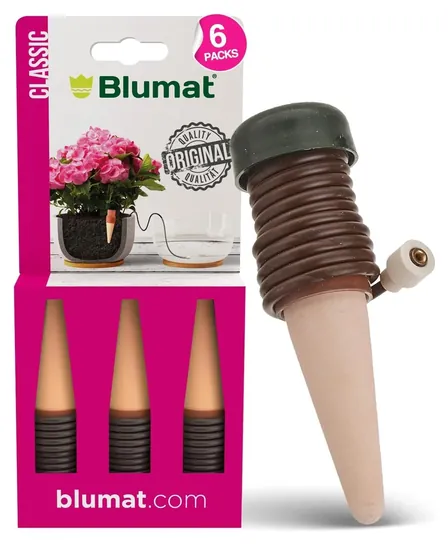
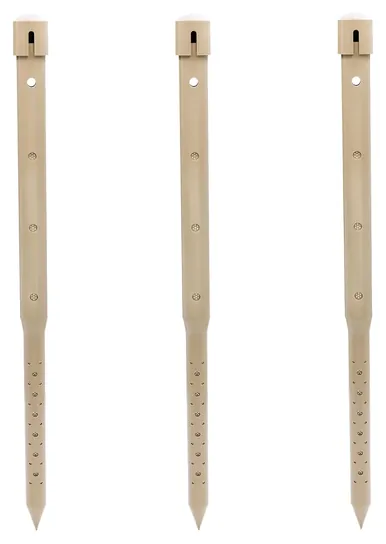
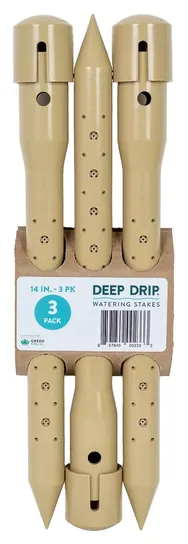
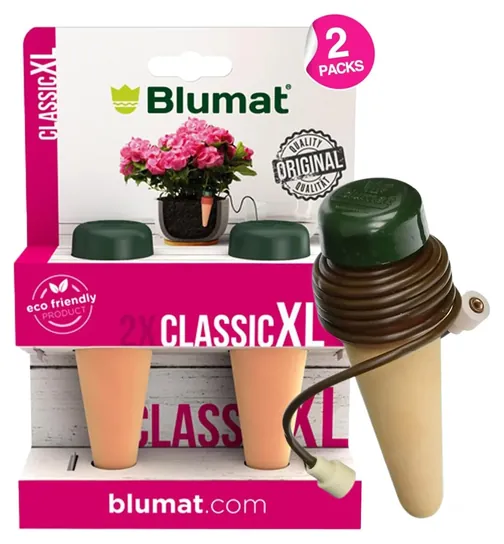
The Blumat Classic now leads this page because it waters on demand: drying soil pulls water through its clay cone, and the flow slows once the pot is moist. Bottle spikes and globes lean more on gravity, and in loose soil they can dump a full load at once. The Deep Drip Spike stays too, as the current Deep Drip 24-Inch tree stake.
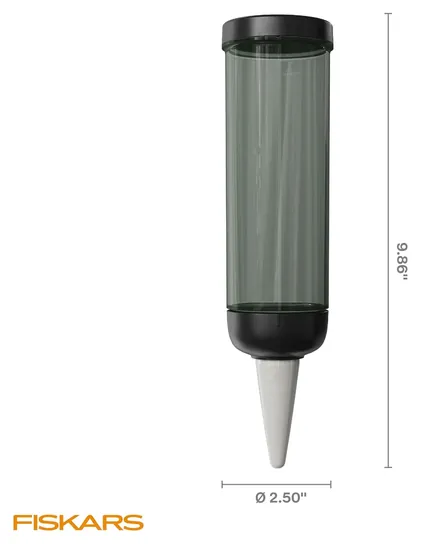
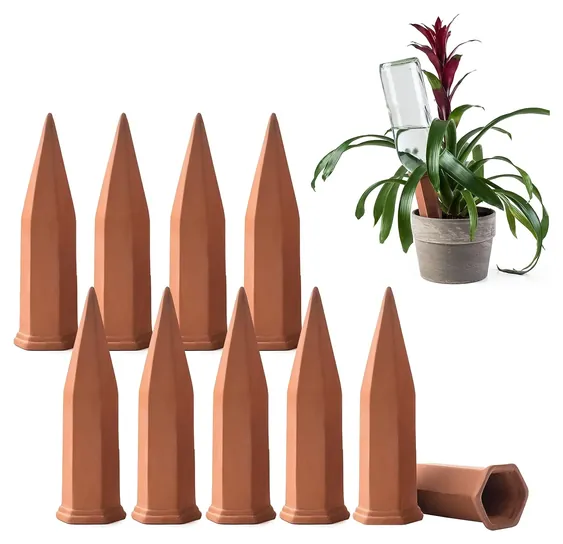
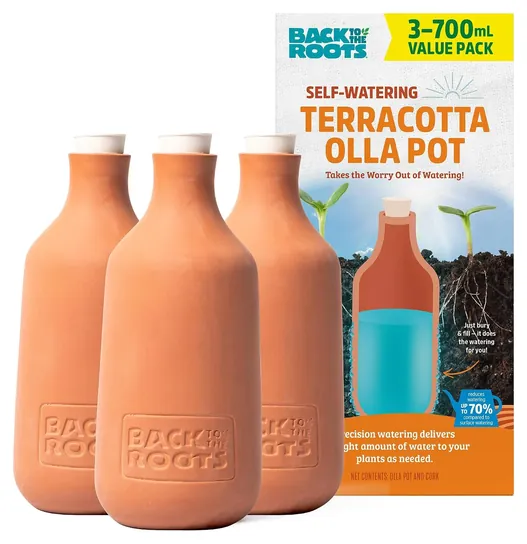
Most of the old list was gone. We could no longer find the Wyndham System, Julias 8-Piece Spike, Smart Spring Tree, GoodMind Creations, Aezek Device, Sucole Mushroom or Winemana Automatic for sale, and we dropped the Alotm Plant Bulb, a set of thin plastic globes. New picks cover both meanings of the name: vacation waterers for pots, like the Fiskars LifeWell and the Modern Innovations Terracotta spikes, and garden tools like the Back to the Roots Olla and the Deep Drip 14-Inch.
No major outlet or lab has put these through a side-by-side test, so we leaned on Blumat's setup rules, Deep Drip's installation advice, a long Blumat review from a plant-care site, a skeptical look at terracotta spikes and university extension guidance on watering new trees.
Earlier notes
April 24, 2020:
Keeping your plants alive and well during your absence can be challenging, even if you are simply away at work for the day. Some people just do not have a green thumb, and they need all the help they can get, which is where watering stakes come in handy. It does not matter if your plants are in the ground, in pots, or in wooden planter boxes, having a way to automatically water them will only make your life easier.
When making your selection, consider the number of plants you have, how long you need automatic watering, and the size of your plants. Stakes often come with more than one to a package, so if you have a lot of plants, you need lots of stakes, like the Aezek Device or the GoodMind Creations, and you may even need a plant stand. Multiple stakes can also be used in one plant, too, if it is large.
If you need your plants watered consistently for an extended period of time, pay attention to how long potential options can provide water. The Alotm Plant Bulb waters for as long as 2 weeks, and the Julias 8-Piece Spike waters for up to 10 days. If you want an option that simply looks beautiful as it serves its purpose, consider the Wyndham System or the Sucole Mushroom.
Two Kinds Of Watering Stakes
Its cone works like a sensor: dry soil pulls water through the clay, and moist soil slows it down.
The name covers two different tools. The first kind keeps potted plants alive while you're away. A clay tip sits in the soil and feeds it slowly from a bottle, a jug or a built-in tank. The Blumat Classic is the best-known of these. Its cone works like a sensor: dry soil pulls water through the clay, and moist soil slows it down. Plain terracotta spikes and glass globes work on a simpler idea, letting water seep or drip out of the reservoir, and gravity plays a bigger part.
The second kind stores no water at all. A Deep Drip stake is a perforated plastic tube you hammer into the ground beside a tree or shrub. You fill it from a hose or connect a drip line, and the water comes out at root depth instead of running off the surface. Pick the 24-inch size for trees and the shorter ones for shrubs and beds.
Buried ollas sit between the two. They're unglazed clay jars you sink into a bed or a large container and refill every few days.
Setup Decides Whether They Work
Most complaints about watering spikes come down to setup. Soak every clay cone in water before use, and water the pot well so the soil is already damp when the spike goes in. Push the spike most of the way into the soil. A gap around the clay lets air in, and then a bottle can drain in minutes instead of days.
Blumat cones need one more step. The tube must be full of water with no bubbles, and the container can't sit more than about a foot below the cone, according to a long-term Wilt and Water review. Blumat also recommends opaque containers, because clear ones grow algae, and more frequent cleaning if you add fertilizer.
Hard water is the slow killer. Minerals build up in the pores of terracotta and choke the flow over a season, a problem Plantsmag describes in its critique of clay spikes. Rain, filtered or distilled water helps. Whatever you buy, run it for a week while you're still home, and watch how fast the reservoir drops.
Trees, Sun And Standing Water
Deep-root stakes don't change how much water a tree needs. The University of Minnesota's tree care guide suggests 15 to 25 gallons a week for a newly planted tree until it settles in, and K-State Research and Extension gives about 10 gallons a week for new transplants. A stake only helps that water reach the roots.
Glass globes need a shady spot. Click & Grow's support page warns that a water-filled globe in direct sun can act like a lens and scorch leaves. Outdoors, any open bottle or globe can hold standing water, and San Diego County's vector control guide asks residents to empty or cover containers weekly so mosquitoes can't breed.
Finally, skip these for plants that want to dry out between drinks. Succulents, cacti and orchids can rot in soil that stays moist, and Blumat itself says its cones aren't meant for orchids.
How we researched this
We compared 17 watering stakes, spikes, globes and ollas, read Blumat's and Deep Drip's setup guidance, a long-term Blumat review, a critique of terracotta spikes and university extension advice on watering new trees, analyzed owner feedback patterns, and checked each brand against U.S. Consumer Product Safety Commission recall records.
Sources (9)
- Blumat: Classic FAQ
- Deep Drip: 24-inch watering stake
- Wilt and Water: Blumat Classic review
- Plantsmag: The terracotta watering spike myth
- University of Minnesota: Caring for a new tree
- K-State Research and Extension: watering new transplants
- Click & Grow: Watering globe
- San Diego County: Aedes mosquito brochure
- U.S. Consumer Product Safety Commission: recalls
Frequently asked questions
Do watering spikes actually work?
Often, if they're set up well. Soak the clay, water the pot first and push the spike in firmly. In loose or chunky soil, or with an air gap, a bottle can empty fast. Try any spike for a week before you leave.
How long will a bottle or globe last?
It depends on the plant, the pot and the weather. A small glass globe covers a few days, and a wine bottle can last about a week in a medium pot. A Blumat cone fed from a large jug can run for weeks.
Which plants shouldn't use a watering stake?
Plants that like to dry out between drinks, such as succulents, cacti and orchids. Constant moisture can rot their roots.
Can I use them outdoors?
Yes. Terracotta spikes, ollas and deep-root stakes all work in beds and containers. Empty or cover open reservoirs weekly so mosquitoes can't breed, and keep glass globes out of direct sun.
Why did my clay spike stop dripping?
Minerals from hard water, soil or algae can clog the pores. Scrub the clay with a stiff brush, soak and rinse it, and switch to rain or filtered water if you can.
How much water does a new tree need?
The University of Minnesota suggests 15 to 25 gallons a week for a newly planted tree until it's established. A deep-root stake helps that water reach the roots, but it doesn't reduce the amount.