The 9 Best Tanning Oils
Updated by · How we research

Nine tanning oils compared by SPF, water resistance and ingredients, from no-sunscreen intensifiers to SPF 25. Sun Bum SPF 15 leads on real protection. When users buy our independently chosen editorial recommendations, we may earn commissions to help fund the Wiki.
Any tanning oil with an SPF under 15 only helps prevent sunburn, and the label has to admit it does nothing against skin cancer or early aging. Oils with no sunscreen carry a stronger warning. This list is for people who will be out in the sun anyway and want the shine and moisture with the most protection an oil can give.
At a Glance


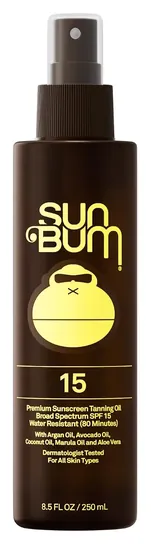
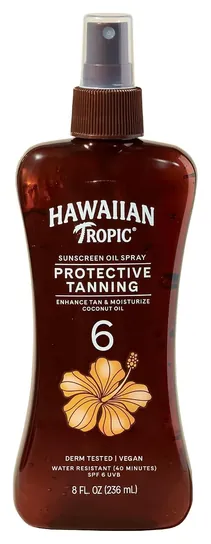
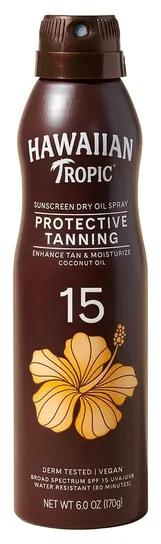
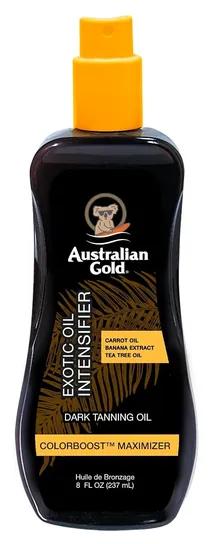
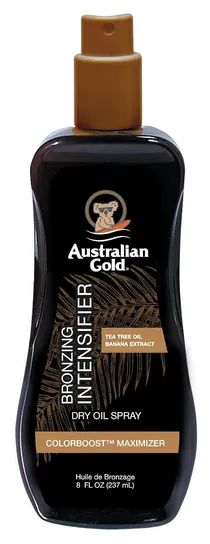
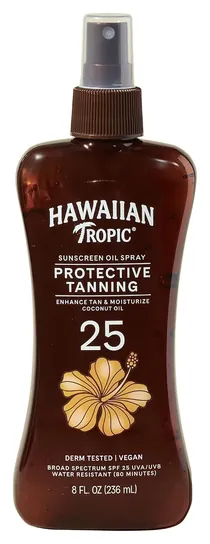
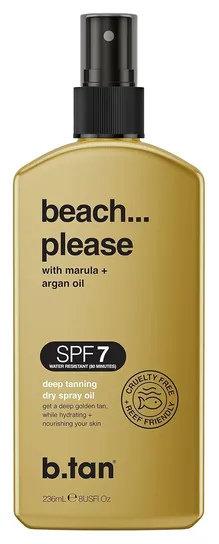
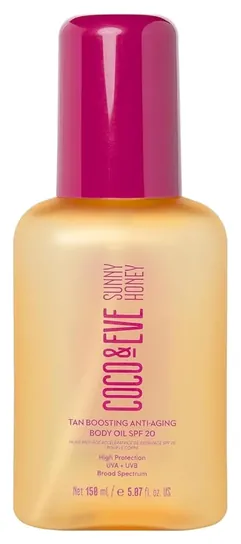
Editor's Notes
November 16, 2026, by Ezvid Wiki Editors:
This page is back, and it now puts protection first. Sun Bum SPF 15 takes the top spot because it's a true broad-spectrum sunscreen rated for 80 minutes in water, not just a shiny oil. Hawaiian Tropic Dark SPF 6 stays close behind as the cheap classic, with a plain warning about how little an SPF that low does.
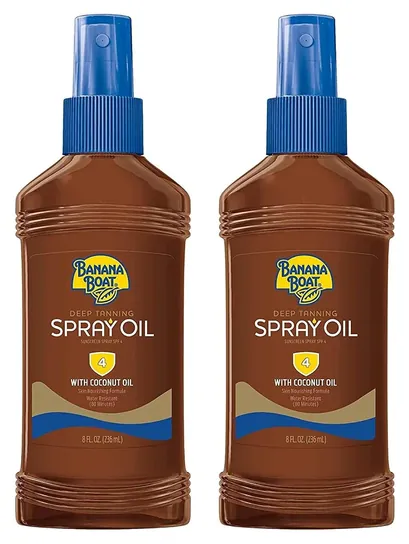
The evidence here was mostly on the bottles. We compared each oil's active filters and water-resistance claim against the FDA's labeling rules for sunscreens and for tanning oils without one, and we read the Skin Cancer Foundation's and dermatologists' advice on tanning. We dropped Panama Jack SPF 4 because it uses octinoxate, which Hawaii bans, and Malibu Sun Fast, which has no filters and is pitched at tanning beds. Cocosolis Choco was too expensive for what it is.
One honest note: no tan is a safe tan. If you want the color without the sun, our self-tanner list is the lower-risk route.
SPF Numbers And What The Label Promises
A label only says broad spectrum when the formula also passes a test for UVA, the rays most tied to early aging; both kinds contribute to skin cancer.
SPF measures protection from UVB, the rays that burn. A label only says broad spectrum when the formula also passes a test for UVA, the rays most tied to early aging; both kinds contribute to skin cancer. The FDA requires any sunscreen below SPF 15, or one without broad-spectrum protection, to warn that it only helps prevent sunburn (FDA). That covers most classic dark tanning oils, which sit between SPF 4 and SPF 7.
Oils with no sunscreen at all must carry a stricter line: the product does not contain a sunscreen and does not protect against sunburn (FDA). Dermatologists quoted by ELLE suggest wearing an SPF 30 or higher sunscreen first and putting a low-SPF oil on top if you want the shine; stacking two products doesn't add their SPF numbers together (ELLE via Yahoo).
If you want one bottle that does both jobs, pick a broad-spectrum oil of SPF 15 or more, such as the Sun Bum oil.
Water, Sweat And Reapplying
No sunscreen is waterproof, and the FDA doesn't allow the word. A water-resistant label has to name either 40 or 80 minutes, which is how long the SPF holds while you swim or sweat. Reapply at least every two hours, and right after swimming or toweling off (FDA). Hawaiian Tropic's own page for its SPF 6 oil lists a shorter rating than some retailers show, so trust the bottle in your hand (Hawaiian Tropic).
Aerosol oils usually contain alcohol and a propellant. The American Academy of Dermatology says spray sunscreens can catch fire until they dry, so stay away from grills, candles and cigarettes, and don't spray your face: spray your hands and rub it in (AAD).
Heading to Hawaii? The state bans the sale of sunscreens with oxybenzone or octinoxate (Hawaii Revised Statutes). Every oil on this list is free of both.
Carrot Oil, Bronzers And The Myth Of A Healthy Tan
Carrot extract and beta-carotene show up in many dark oils with promises of a faster tan. We found no clinical evidence that rubbing them on skin speeds tanning. What does change color right away is a bronzer: walnut shell, annatto or caramel tints sit on top of the skin and wash off. Some oils add a little self-tanner, which darkens the top layer of skin over a few hours with no sun at all.
The Skin Cancer Foundation is blunt that there is no such thing as a safe or healthy tan, and that a base tan doesn't protect you from sunburn (Skin Cancer Foundation). It points to sunless tanning as the safer way to look bronzed, with sunscreen still needed outdoors.
Some tanning oils are marketed for tanning beds. The American Academy of Dermatology links indoor tanning to melanoma, including in young adults (AAD), so we don't recommend using any of these oils in a bed.
How we researched this
We compared 16 tanning oils, sprays and bronzers, read the active ingredients, SPF and water-resistance claims for the nine picks from makers' pages and labels, checked them against the FDA's sunscreen and tanning-product labeling rules and Hawaii's sunscreen law, read Skin Cancer Foundation, American Academy of Dermatology and dermatologist guidance, screened owner feedback, and searched recall records for every brand. We found no independent lab tests of tanning oils.
Sources (9)
- FDA: required warning for tanning products without sunscreen
- FDA: Sunscreen, how to help protect your skin from the sun
- American Academy of Dermatology: how to use stick and spray sunscreens
- American Academy of Dermatology: indoor tanning statistics
- Skin Cancer Foundation: tanning
- ELLE via Yahoo: best tanning oils, with dermatologist advice
- Hawaii Revised Statutes 342D-21
- Sun Bum: SPF 15 Tanning Oil
- Hawaiian Tropic: Tanning Oil Pump Spray SPF 6
Frequently asked questions
Do tanning oils actually work?
They make skin look shiny and keep it moist, which can make a tan look deeper. They don't make your skin tan faster in any proven way, and they protect you only as much as the SPF on the label says.
Is there a safe way to tan with oil?
No. The Skin Cancer Foundation says there is no safe or healthy tan, because any tan is a sign of UV damage. If you will be in the sun anyway, wear a broad-spectrum SPF 30 sunscreen under the oil and reapply every two hours.
Does a base tan stop sunburn?
No. A base tan gives very little protection and adds to the total UV damage your skin builds up over time.
Does carrot oil make you tan faster?
We found no clinical evidence that it does. Carrot extract can moisturize and add a warm tint, but there's no good evidence that it makes skin produce more pigment.
Can I put tanning oil over sunscreen?
Yes. Dermatologists suggest applying a broad-spectrum SPF 30 or higher sunscreen first, letting it set, then adding a thin layer of oil. The two SPF numbers don't add up, so reapply both.
Can I use tanning oil in a tanning bed?
Some brands market their oils for beds, but the American Academy of Dermatology links indoor tanning to melanoma. We don't recommend tanning beds with or without oil.