The 9 Best Ground Coffees For French Press
Updated by · How we research

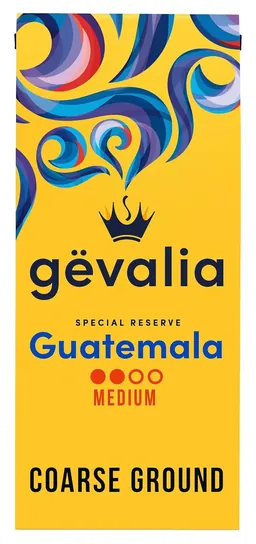
Nine coarse-ground coffees made for a French press, compared by roast, origin, sifting and bag seal. Primos Medium Roast leads; Gevalia Guatemala costs least. When users buy our independently chosen editorial selections, we may earn commissions to help fund the Wiki.
Most ground coffee on store shelves is cut for drip machines, and in a French press that fine grind slips past the mesh, leaving silt and a bitter cup. A press wants grounds about the size of coarse sea salt. This list sticks to bags sold ready-ground that coarse, for people who want press coffee without owning a grinder.


Editor's Notes
November 16, 2026, by Ezvid Wiki Editors:
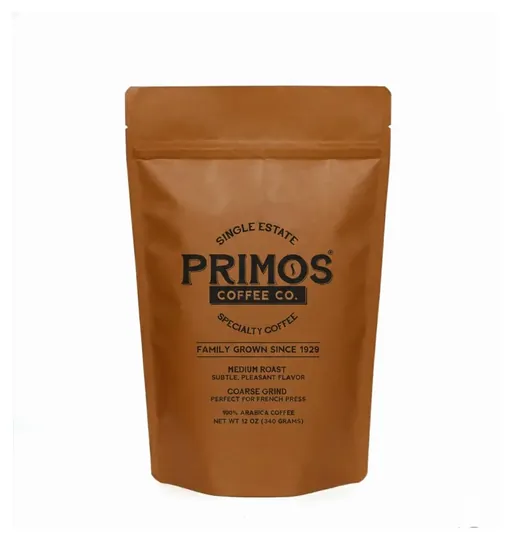
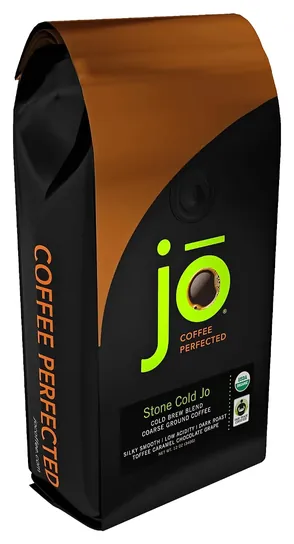
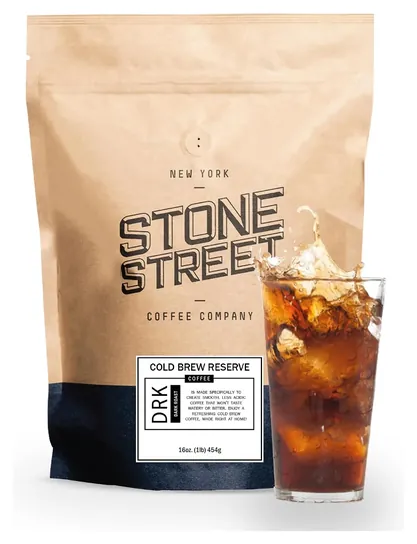
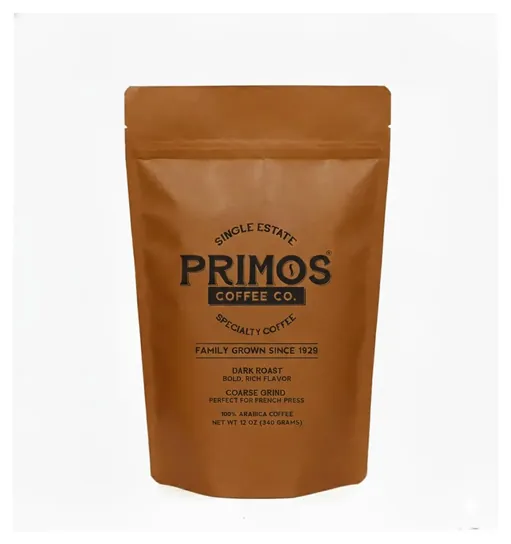
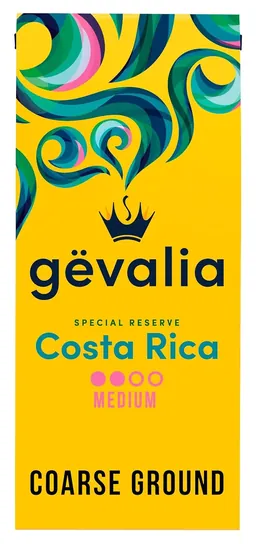
Primos Medium Roast now leads this list. It's one of the few bags a roaster grinds specifically for a French press, and the beans come from a single family farm. Most of the old list had to go. The Chosen Bean Cold Brew and Ceremony Roasters Variety are no longer sold, the Texas Lonestar Blend didn't turn up as a coarse bag anymore, and The Coffee Fool Coconut Dream is a flavored coffee that isn't ground for a press. Stone Cold Jo and Stone Street Colombian Supremo stay, and Gevalia Costa Rica stays in its current bag.
We left out big names like Peet's and Stumptown on purpose. Their ground bags are cut for drip brewers, and Peet's itself points press owners to whole beans. If you own a grinder, fresh whole beans from our coffee beans list will beat any bag here. For this list we went by how each roaster describes its grind and processing, what press owners report after months of use, and federal food recall records.
Earlier notes
August 18, 2019, by Karen Bennett:
The French press is a relatively affordable, simple method of brewing great-tasting coffee at home. Its manual operation requires more work than simply pouring in the grounds as you would with automatic drip, but the fresh, delicious results will prove well worth the small amount of extra time and effort.
Stone Cold Jo is a new addition that features a unique combination of toffee, caramel, chocolate, and grape flavors. The dark-roasted, course grounds will produce a cup of joe that’s silky smooth, with low acidity levels. This organic choice contains no artificial flavors and is non-GMO and Fair Trade certified. It can be prepared hot in your French press with a couple of tablespoons of grounds for every six ounces of water, and steeped for four to five minutes. If you prefer to drink it cold, use a ratio of 4:1, and then refrigerate it for at least 12 hours before you press and filter it.
For another versatile choice that tastes great hot or cold, look to the Stone Street Reserve, and you can go ahead and enjoy multiple cups without worry of it upsetting your stomach, thanks to its low acidity. The package comes with a one-way degassing valve to help the grounds maintain freshness and aroma. (After roasting, coffee releases carbon dioxide into the air. The valve actually stops that gas from building up inside the bag, allowing it to escape instead. It also prevents oxygen from entering the package and making the grounds stale.)
Leaving our list in this update is the peach- and brown sugar-flavored B.G. Coffee Chanchamaya, due to issues with availability.
Special Honors
Sleepy Monk Coffee Roasters This small-batch roaster on the outskirts of Cannon Beach, Oregon, grinds each order to the setting you choose, and French press is one of the options. Its French Roast Sumatra is among its darkest coffees, wet-hulled and sun-dried, with a smoky, velvety body. Ordering straight from a roaster like this is the simplest way to get a true press grind from a fresh roast. sleepymonkcoffee.com
Why The Grind Matters More Than The Brand
Bags labeled for cold brew are worth a look for that reason.
A French press steeps coffee in water for several minutes, then pushes a metal mesh through it. That mesh only holds back large pieces. Grounds should be about the size of coarse sea salt or breadcrumbs (Bean Box); one roaster that grinds only for presses aims for about 1,050 microns (Peak Flavor Coffee). When the grind is finer, the dust slips through, keeps extracting in the cup and turns it muddy and bitter.
That's why this list skips most supermarket favorites. The ground bags from big specialty roasters are usually cut for drip machines: Stumptown says it grinds on a setting that works for nearly any drip brewer (Whole Foods Market). Primos puts the rule simply in its FAQ: the longer coffee steeps, the coarser it should be ground, and press and cold brew need the coarsest (Primos Coffee Co.).
Bags labeled for cold brew are worth a look for that reason. Cold brew uses the same coarse grind, so these coffees work hot in a press too. If you'd rather grind your own, a burr grinder set to coarse and a bag from our coffee beans list will give you fresher coffee than any pre-ground bag.
Brewing A Better Press Pot
A good starting ratio is 1 part coffee to 15 parts water by weight, with water just off the boil, about 200 degrees Fahrenheit (Bean Box). Without a scale, about 2 level tablespoons per 6 ounces of water lands close, and it's the ratio Jo Coffee prints for Stone Cold Jo.
Wet the grounds with a little water first, wait 30 seconds, then fill the pot. Steep about 4 minutes, break the crust on top, skim off the floating foam and grounds, and press slowly. Pour the coffee out of the press right away, into cups or a carafe. Coffee left sitting on the grounds keeps extracting and turns harsh.
If you still get sludge, try a coarser bag, pour gently and leave the last half-inch in the pot. Pouring through a paper filter catches the finest silt and changes the cup in another way covered below. Clean the mesh screen often; old oils trapped in it taste stale.
Freshness, Storage And A Health Note
Ground coffee goes stale far faster than whole beans because grinding exposes so much more surface to air. Bean Box puts its best window at about 1 to 3 weeks after grinding or opening (Bean Box), though it stays safe to drink for months (The Takeout). Buy a bag size you'll finish in a few weeks, look for a roast date and a one-way valve, and store it in an airtight container away from light and heat. A tin tie folds shut but doesn't seal.
Unfiltered coffee has one health wrinkle. Research from Wageningen University found that French press coffee is rich in cafestol and kahweol, natural oils that raise blood cholesterol, while filtered and instant coffee have almost none (Wageningen University & Research). If your doctor is watching your cholesterol, pouring press coffee through a paper filter removes most of those oils.
For caffeine, the FDA cites 400 milligrams a day, about two to three 12-ounce cups of coffee, as an amount not generally tied to harmful effects for most adults (FDA). Pregnant people are usually advised to stay under 200 milligrams (ACOG). A Swiss Water decaf is the way to keep the ritual without most of the caffeine.
How we researched this
We compared 18 ground coffees sold in a coarse or French press grind, along with the drip-grind bags from big brands that readers ask about. We read the roasters' descriptions and FAQs for grind, origin, roast and processing, analyzed owner feedback from people who brew in a press, and checked every brand against FDA food enforcement records and the Consumer Product Safety Commission. We found no lab or major outlet that has tested pre-ground French press coffee, so the order rests on those sources.
Sources (12)
- Primos Coffee Co.: frequently asked questions
- Stone Street Coffee Company
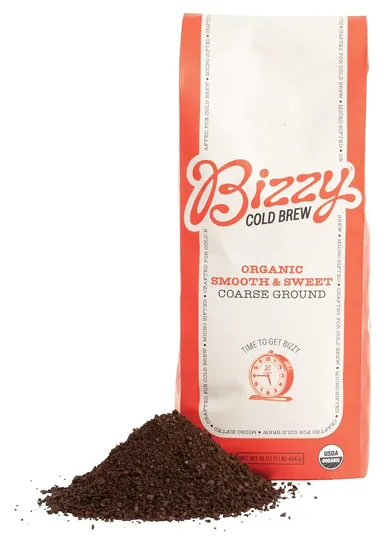
- Bizzy Coffee
- Swiss Water Decaf
- Bean Box: How to use a French press
- Bean Box: How long does coffee last
- Peak Flavor Coffee: Coffee grounds for French press
- The Takeout: How to tell if ground coffee has gone bad
- Wageningen University & Research: Health effects of unfiltered coffee (Urgert)
- FDA: Spilling the beans, how much caffeine is too much?
- ACOG: How much coffee can I drink while pregnant?
- Sleepy Monk Coffee Roasters: coffee
Frequently asked questions
Can I use regular ground coffee in a French press?
You can, but most supermarket ground coffee is a drip grind. In a press the fine particles pass through the mesh, so the cup gets silty and often bitter. A coarse bag, or beans ground coarse at home, works better.
Does coarse coffee sold for cold brew work hot?
Yes. Cold brew and French press both use a coarse grind, so a cold brew bag brews hot in a press just fine. Some roasters, like Jo Coffee, print hot press directions on their cold brew coffee.
How much ground coffee do I use in a French press?
Start with about 1 part coffee to 15 parts water by weight, or about 2 level tablespoons per 6 ounces of water. Steep about 4 minutes, then adjust to taste.
Is pre-ground or whole bean better for a French press?
Whole beans ground just before brewing taste fresher, because ground coffee goes stale within weeks of opening. Pre-ground coarse bags trade some flavor for convenience if you don't own a grinder.
Is French press coffee bad for cholesterol?
Unfiltered coffee keeps natural oils, cafestol and kahweol, that can raise cholesterol with heavy daily drinking. Pouring the coffee through a paper filter removes most of them.
What's the best decaf for a French press?
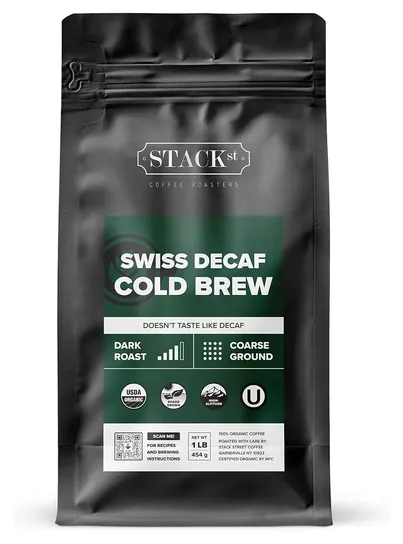
Look for a coarse decaf made with the Swiss Water Process, which removes caffeine with water and no chemical solvents. Stack Street Swiss Water Decaf is one sold in a coarse grind.