The 6 Best OBD2 Gauge Displays
Updated by

Our top OBD2 gauge display is the ScanGauge 3, which works on any 1996 or newer vehicle. Six gauges compared, plus which cars each one supports. When users buy our independently chosen editorial selections, we may earn commissions to help fund the Wiki.
An OBD2 gauge display plugs into the diagnostic port under your dashboard and shows live engine data your instrument cluster leaves out, such as coolant temperature, boost, voltage or real-time fuel economy. Most can also read and clear check-engine codes. They differ in how much they show at once, how they mount, and which vehicles they work with.
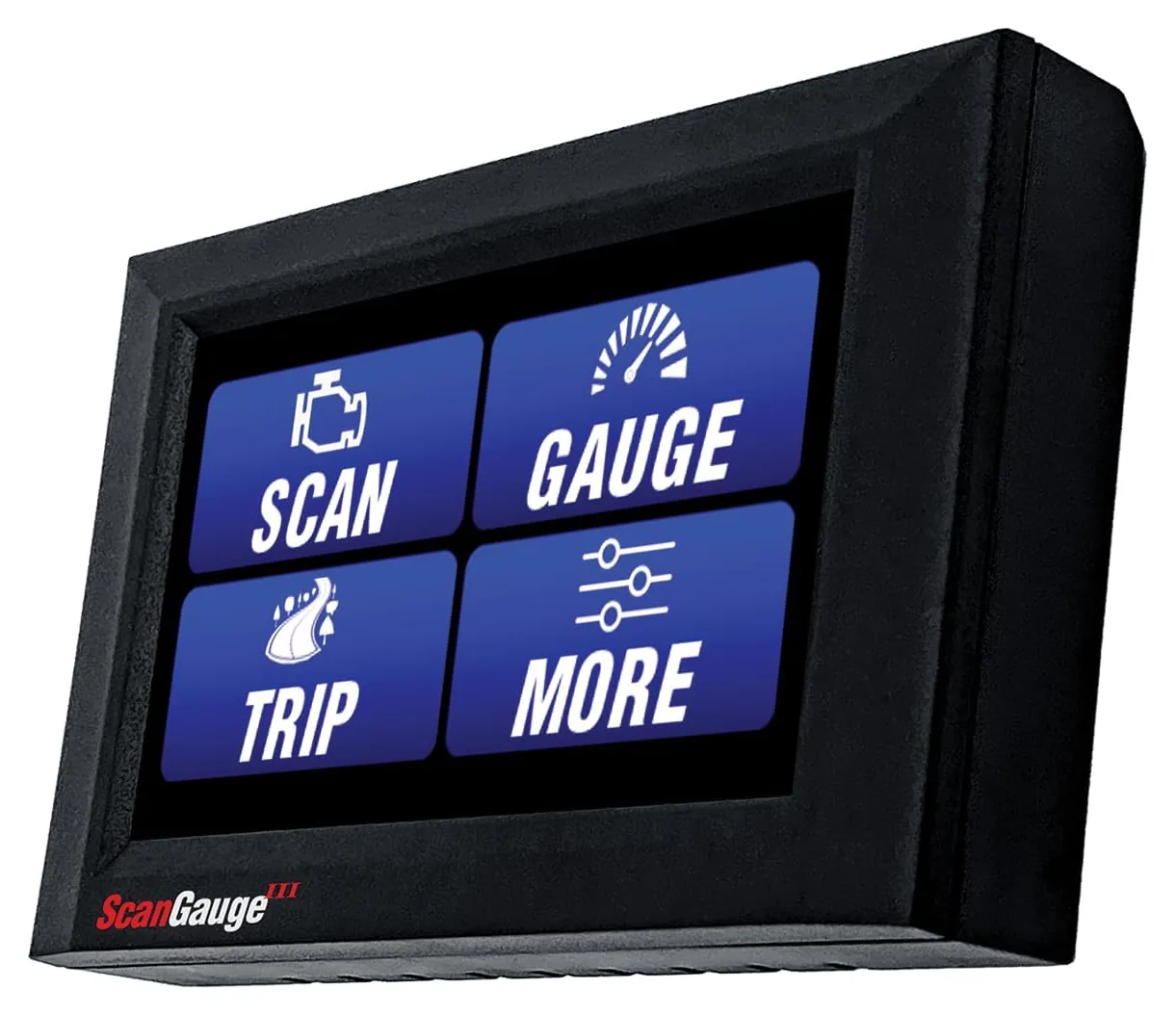
1. ScanGauge 3
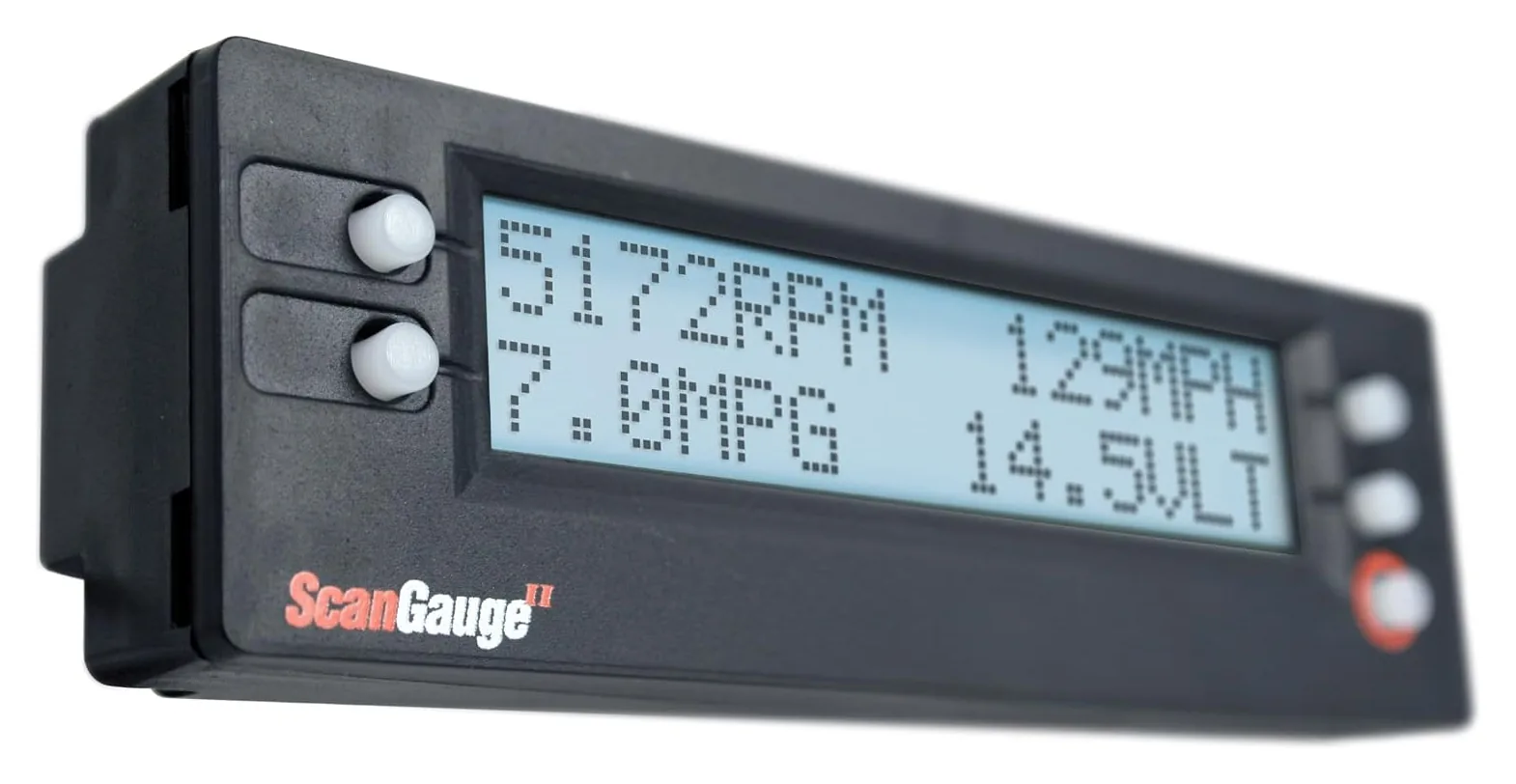
2. ScanGauge II
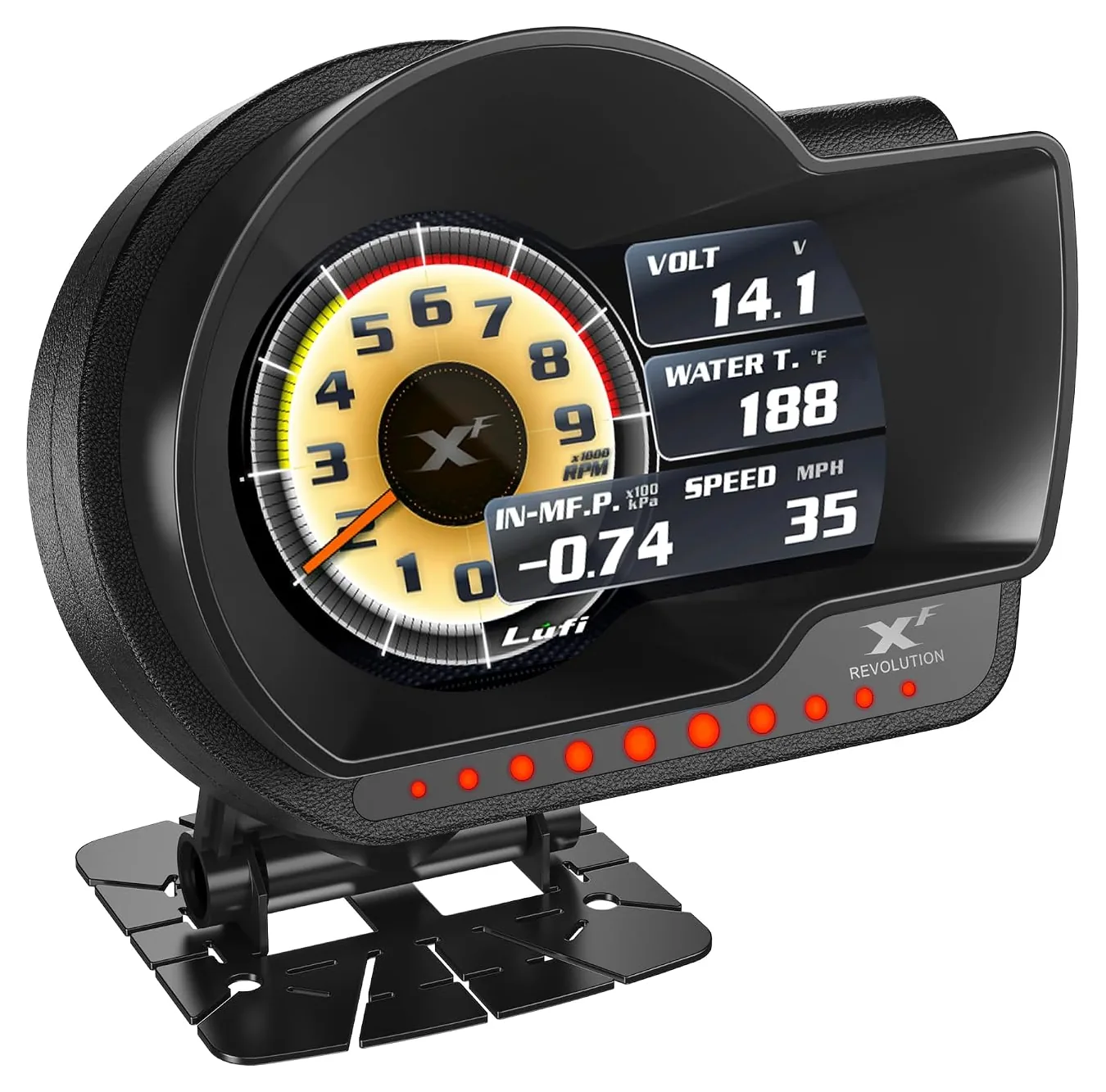
3. Lufi XF
4. AEM X-Series OBDII Gauge
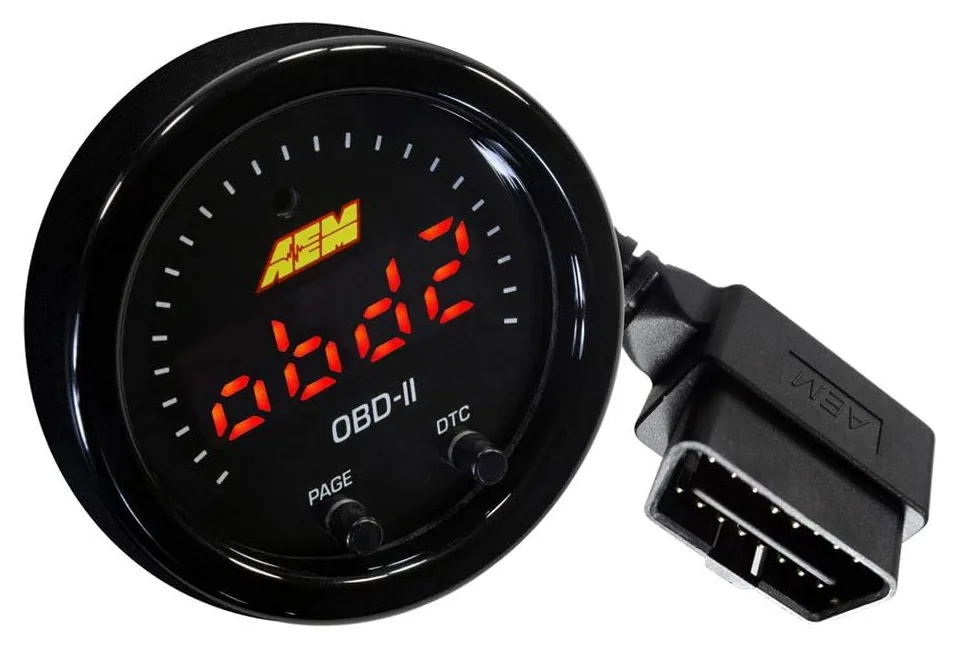
5. Lufi X1
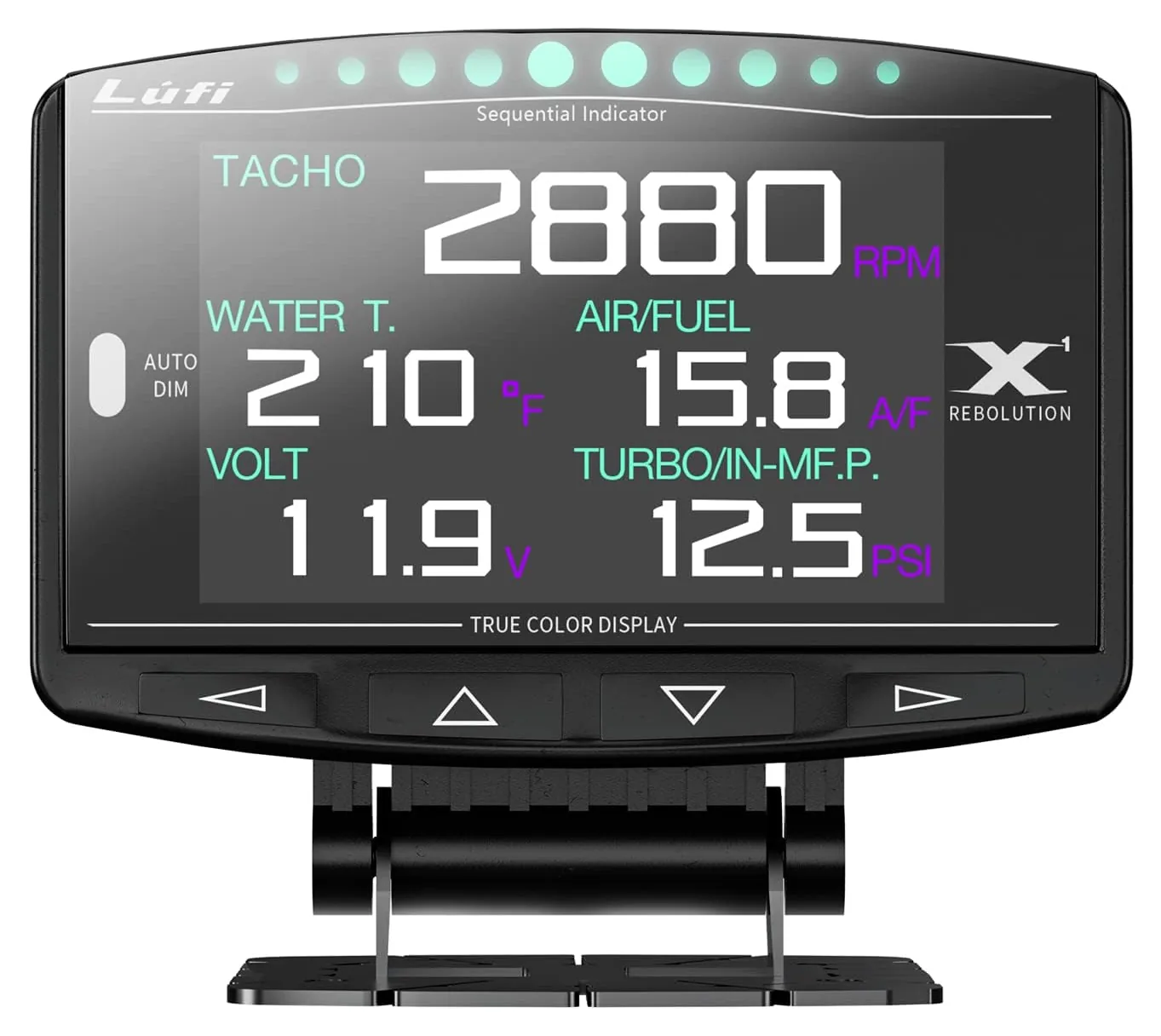
6. wiiyii P6
Editor's Notes
October 14, 2026, by Ezvid Wiki Admin:
This list hadn't been updated since 2021. The old top pick, the Ancel BD310, is now sold as a Bluetooth code reader rather than a gauge display, the UltraGauge and Autool X60 are currently unavailable, and we found no current listings for the VGEBY and Acecar picks. We dropped the Edge Insight because its Amazon listing is the discontinued CTS2 and many owners of the current CTS3 report screens that freeze.
We ranked the gauges on vehicle compatibility, what they can show, readability, reliability and value, using makers' manuals and specifications, trade-magazine and forum reports, and long-term owner feedback. No major car magazine has tested these devices, so we say where a claim is the maker's.
Check compatibility before you buy. The ScanGauges work on anything from 1996 on, but the Lufi and AEM gauges need a 2008 or newer car.
February 26, 2021:
Note that most options do have a speed offset – that is they show a higher speed of about 5mph in most cases – in order to ‘encourage’ you to slow down. This is done in the interest of safety, but can obviously be adjusted.
I’ve removed options like the BlueDriver Professional and PLX Devices Kiwi 3, because I really feel like they belong in our list of the best obd2 scanners and not so much here. Of course, most gauges also offer diagnostics nowadays, but they’re definitely designed with the primary intention of displaying a gauge. OBD2 Gauges like the VGEBY Projector and Arestech A8 reflect onto the windscreen while most others are mounted options. Both have their unique advantages, though you may find the windscreen-reflected options take a little getting used to.
January 24, 2019:
All of the options on this list should be fairly easy to install, as most are plug-and-play models. The primary decision users need to make is how they want to get the information — whether they want to read it off their phones, have it displayed on their windshield, or shown on the device itself. It's a personal decision, and one that should be made with your safety in mind. Whichever one is least likely to take your eyes off the road is probably best for you.
Special Honors
Banks iDash 1.8 Super Gauge For diesel pickups, the Banks iDash fits a 52-millimeter pod and reads more than 300 parameters on 2008 and newer diesels, including exhaust gas temperature, boost, turbo vane position and particulate filter data, with up to 20 alarms and a shift light. It's sold through Banks and diesel parts retailers for about $310 to $345. bankspower.com
P3 Gauges V3 P3 builds digital gauges that replace an air vent in specific cars, including the Subaru WRX and BRZ, Honda Civic, and several VW, Audi, BMW and MINI models, so they look factory-installed. They show boost, oil and coolant temperature, air-fuel ratio, timing and more, with a shift light and inputs for extra sensors, for about $389 to $399. p3cars.com
Will It Work With My Car?
Gauges that only speak CAN, like the Lufi and AEM models here, won't work on most cars older than 2008.
Every car and light truck sold in the U.S. since 1996 has an OBD-II port, usually under the dashboard near the steering column. But the port speaks one of several protocols. Cars from 1996 through 2007 used a mix of older ones, and from 2008 every U.S. car had to use the newer CAN protocol (Wikipedia). Gauges that only speak CAN, like the Lufi and AEM models here, won't work on most cars older than 2008. The ScanGauges support every protocol, and ScanGauge publishes a compatibility list.
What a gauge can show also depends on the car. The standard readings, like RPM, speed, coolant temperature, intake temperature and engine load, are available on almost everything. Transmission temperature and oil temperature aren't part of the standard: each maker defines its own code for them (OBDLink), so only gauges that support manufacturer-specific readings can show them. That's the ScanGauge's main advantage for anyone who tows.
Electric cars are mostly out. Teslas don't offer standard OBD-II data, and other EVs share very little of it, though hybrids work.
Dash Gauge, Pod Or Head-Up Display?
Dash displays like the Lufis and ScanGauges sit on top of the dashboard on a stand, suction cup or tape. They show the most information and are easy to move between cars. Pod gauges like the AEM fit a standard 52-millimeter round gauge pod on the pillar or steering column, which looks the most factory-installed but shows one reading at a time.
Head-up displays project speed and a few readings onto the windshield. They're cheap and keep your eyes up, but they wash out in bright sun, and in a Tom's Guide review of a popular model the unit itself sat in the driver's view. State rules on what you can mount on a windshield vary, so a dash mount below the windshield is the safest choice.
Speed readings come from the car's own speed sensor, so they match your speedometer's source. If your tires aren't the original size, both will be off; the ScanGauge lets you correct its speed in 1 percent steps against a GPS.
Will It Drain My Battery?
A gauge that stays plugged in draws a little current whenever it's awake. Good ones sleep within seconds of the engine shutting off: the ScanGauge turns itself off about 12 seconds after the engine stops (ScanGauge manual), and Lufi says the X1 draws very little when asleep. Problems come when a gauge doesn't recognize that the car is off. ScanGauge warns that hybrids and cars with stop-start need a different sleep setting, and some Chrysler, Dodge and Jeep models confuse it.
If a car will sit for more than a week, unplugging the gauge is cheap insurance. The same goes for Bluetooth dongles, which some owners have found drain a battery over a month of storage.
If you'd rather use your phone as the display, a Bluetooth adapter such as the OBDLink MX+ with an app like Torque or OBD Fusion can show the same data. You give up an always-on screen, and you need a phone mount.