The 9 Best Atomic Watches
Updated by
Our top atomic watch is the Casio G-Shock MT-G MTG-M900DA-8, a solar watch that sets itself by radio. Nine atomic watches compared, plus how to get a signal. When users buy our independently chosen editorial choices, we may earn commissions to help fund the Wiki.
An atomic watch sets itself to the U.S. atomic clock every night by picking up a low-frequency radio signal from Fort Collins, Colorado, so it stays correct to the second and changes for daylight saving time on its own. All of these picks are solar powered as well, so you never have to set them or change a battery. They differ in style, size, toughness and how easy they are to read.
At a Glance
-
1
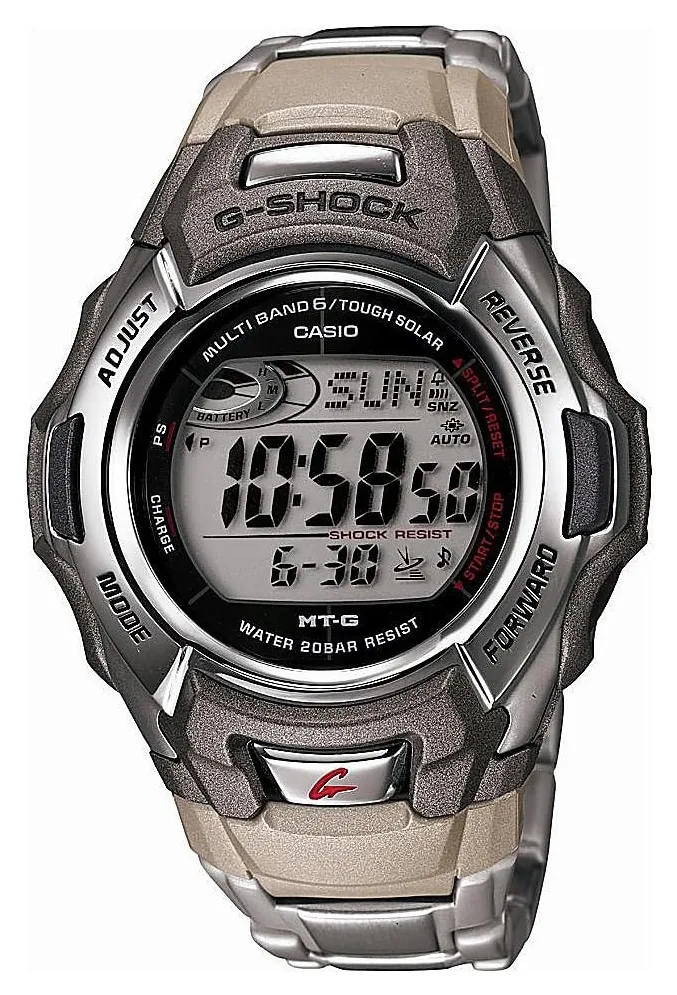 Casio G-Shock MT-G MTG-M900DA-8
$127
Casio G-Shock MT-G MTG-M900DA-8
$127
-
2
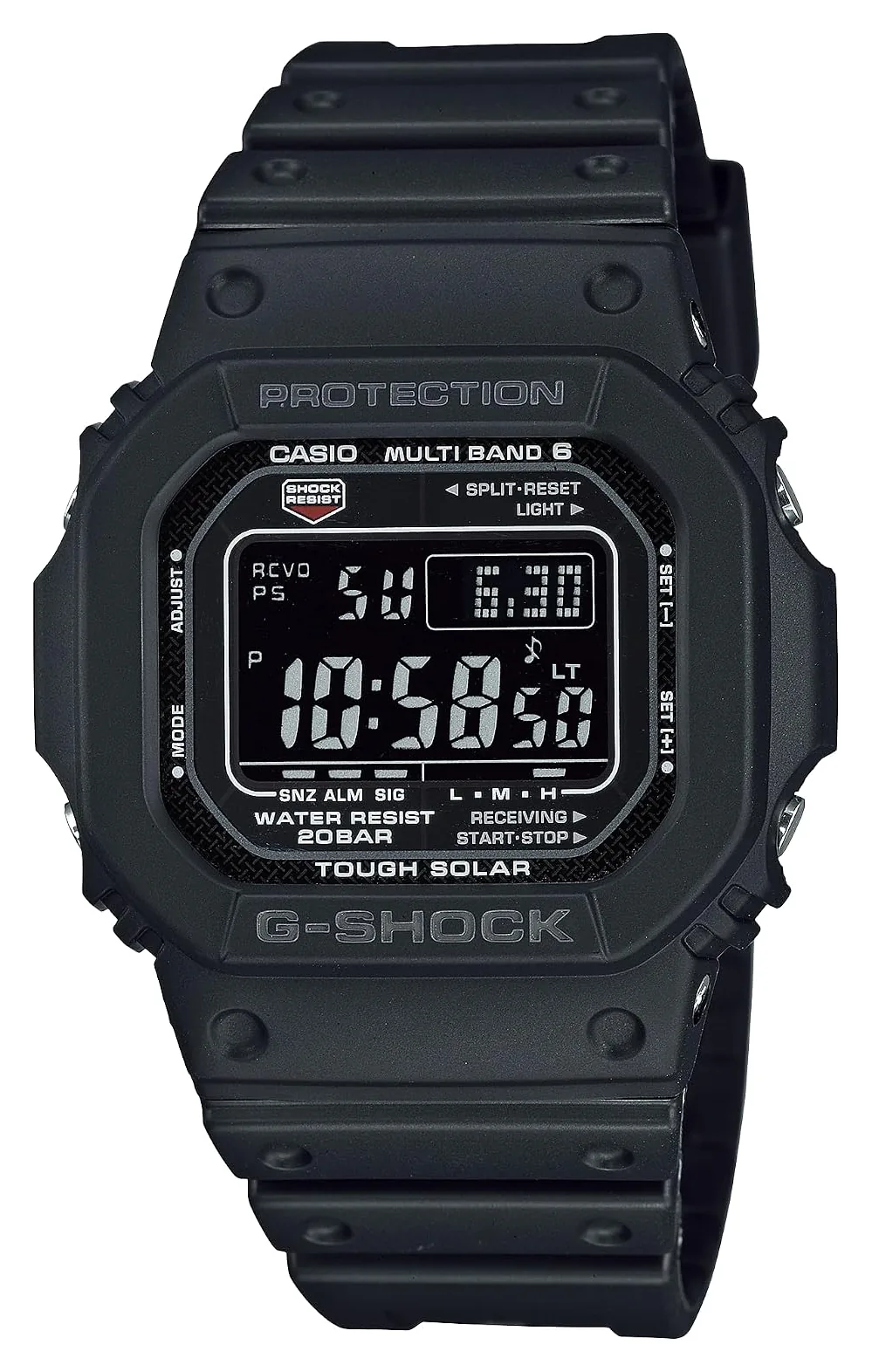 Casio G-Shock GW-M5610U-1B
$142
Casio G-Shock GW-M5610U-1B
$142
-
3
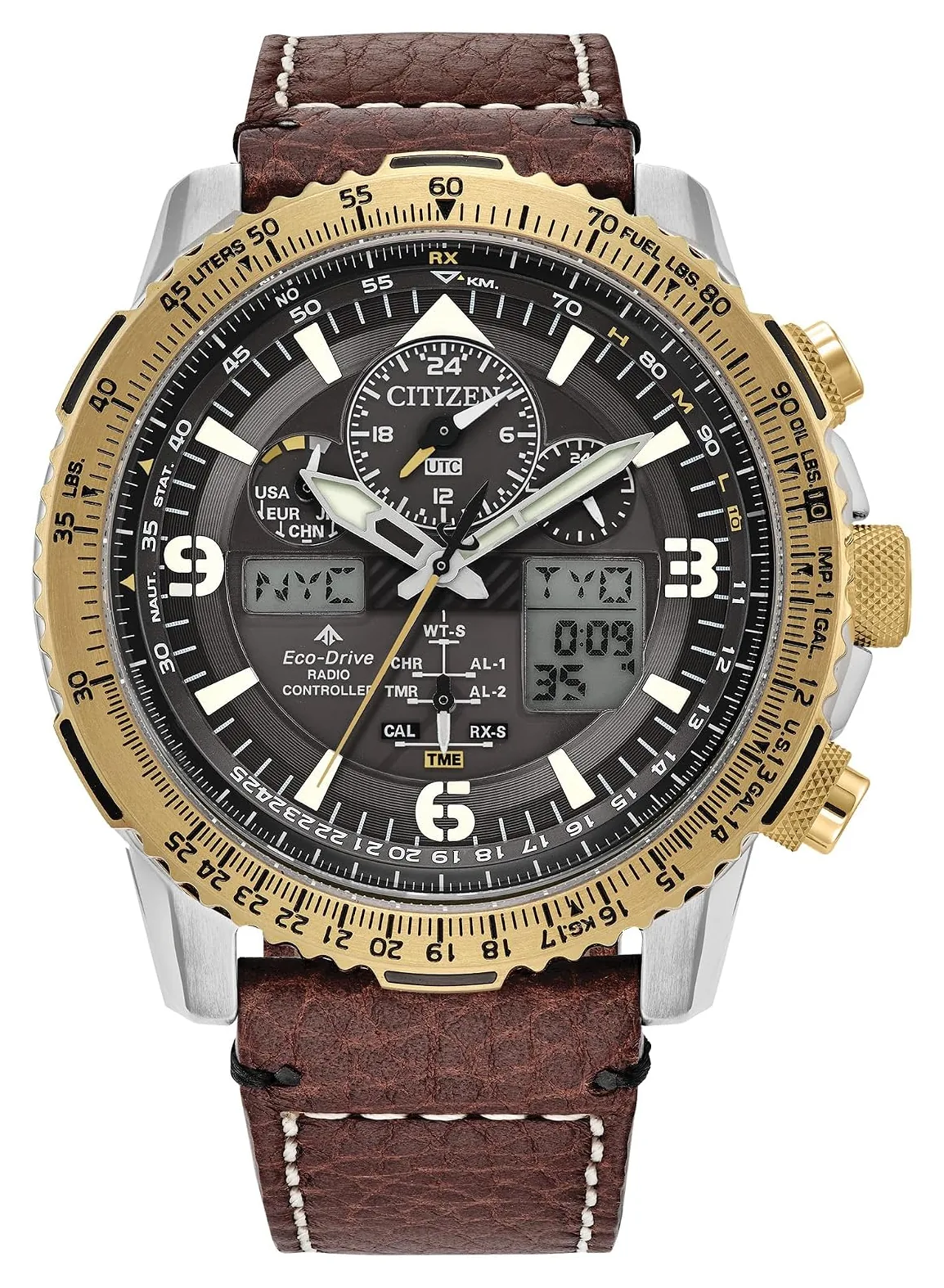 Citizen Promaster Skyhawk A-T
$556
Citizen Promaster Skyhawk A-T
$556
-
4
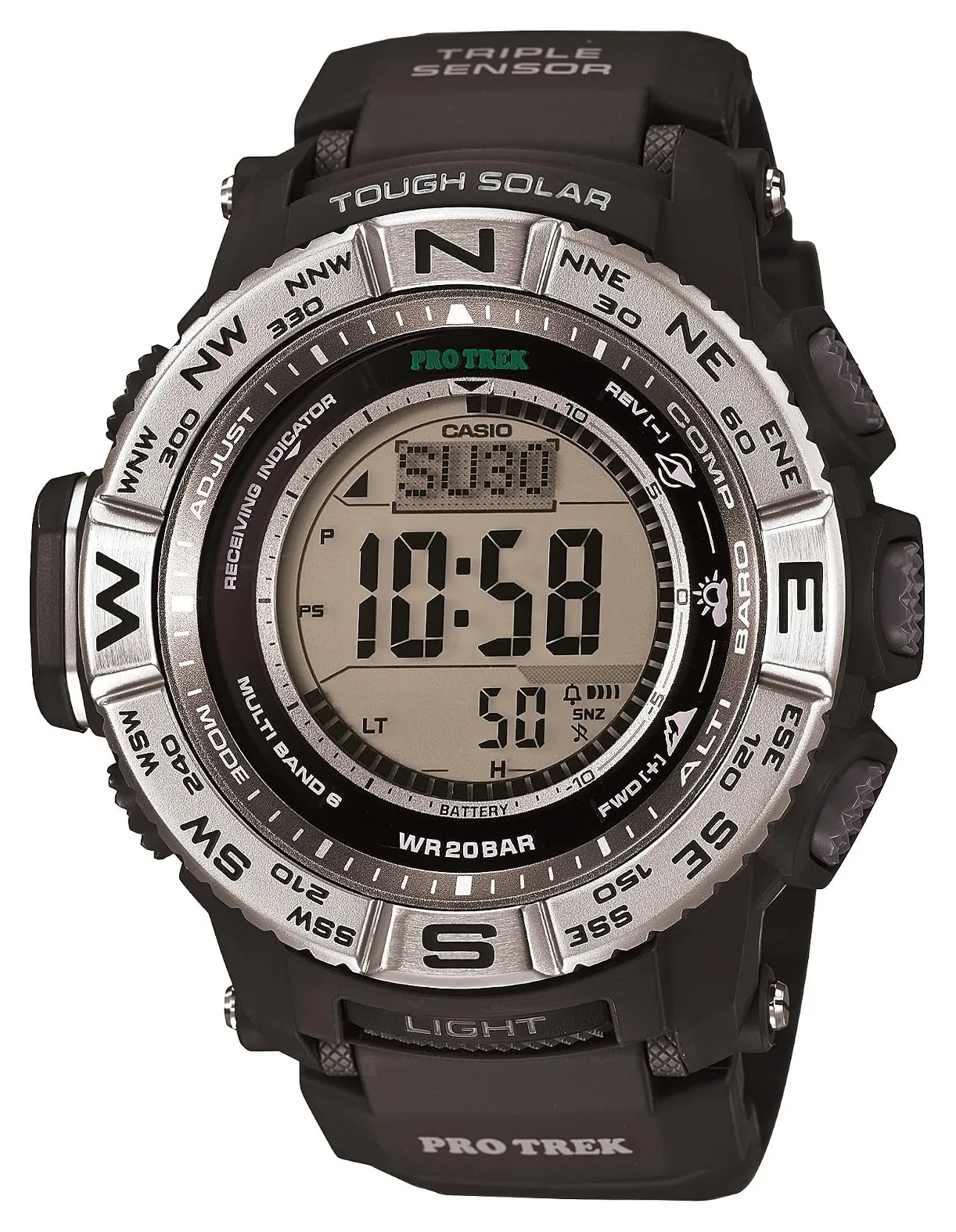 Casio Pro Trek PRW-3500
$365
Casio Pro Trek PRW-3500
$365
-
5
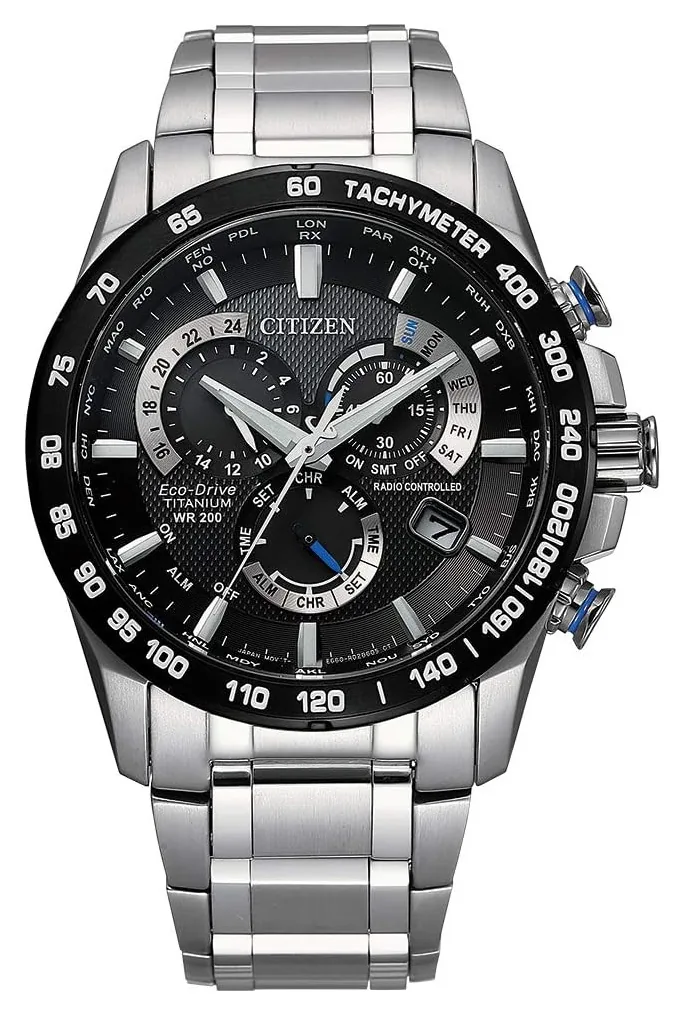 Citizen Eco-Drive PCAT
$599
Citizen Eco-Drive PCAT
$599
-
6
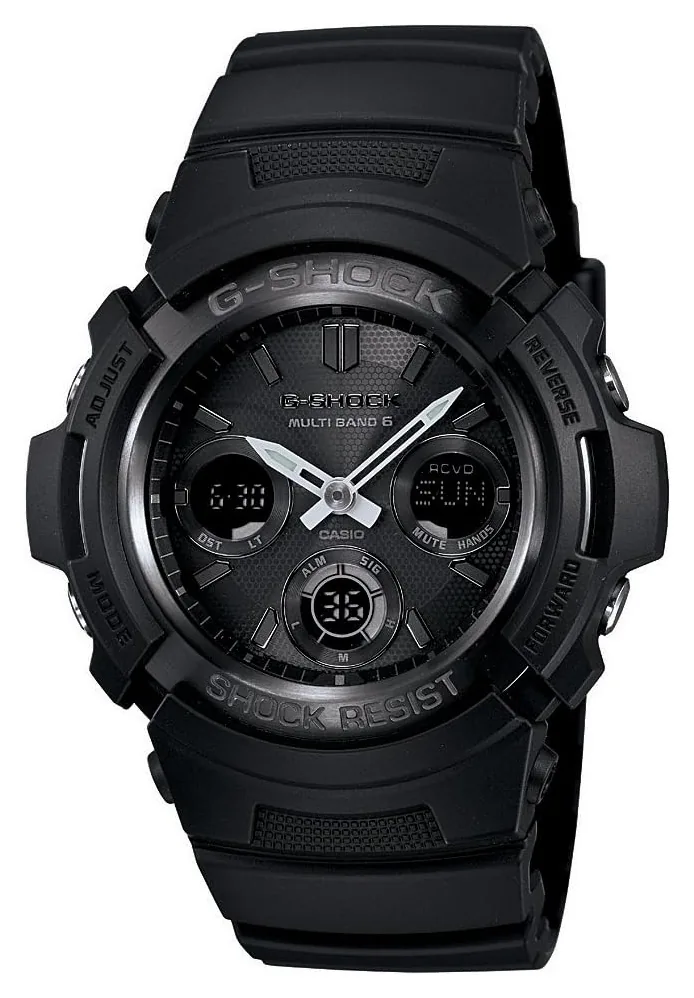 Casio G-Shock AWG-M100B-1A
$114
Casio G-Shock AWG-M100B-1A
$114
-
7
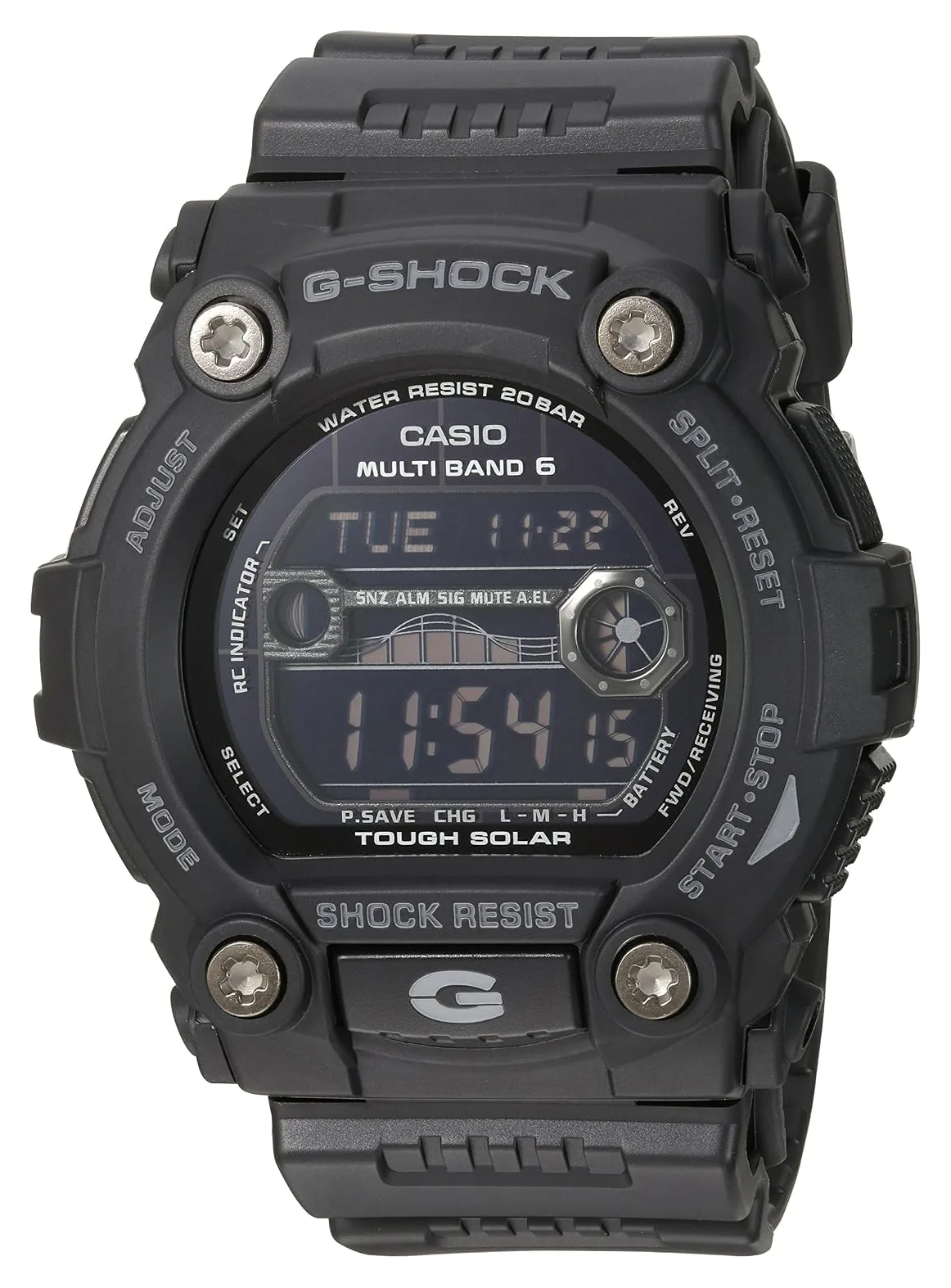 Casio G-Shock GW-7900B-1
$165
Casio G-Shock GW-7900B-1
$165
-
8
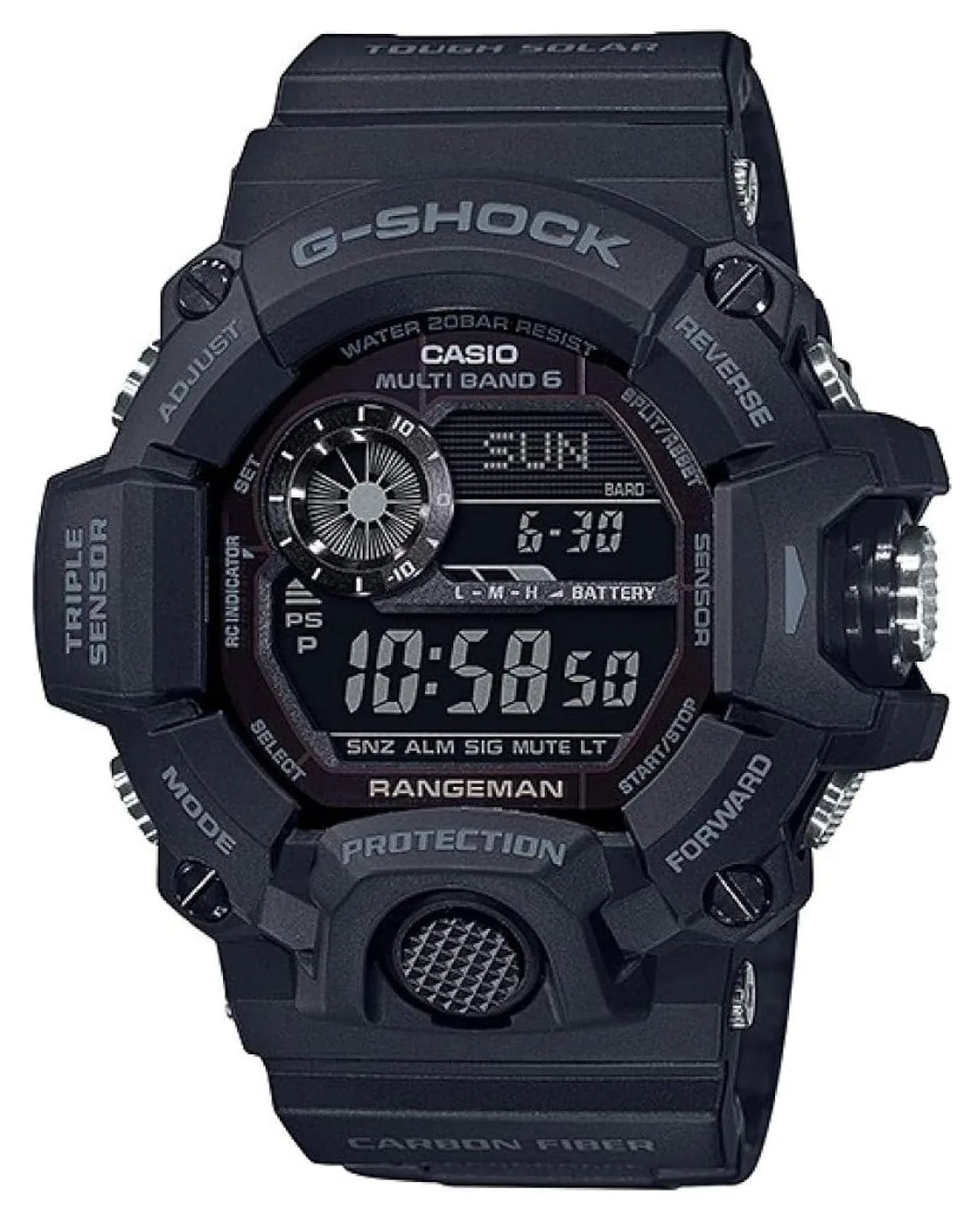 Casio G-Shock Rangeman GW-9400-1B
$231
Casio G-Shock Rangeman GW-9400-1B
$231
-
9
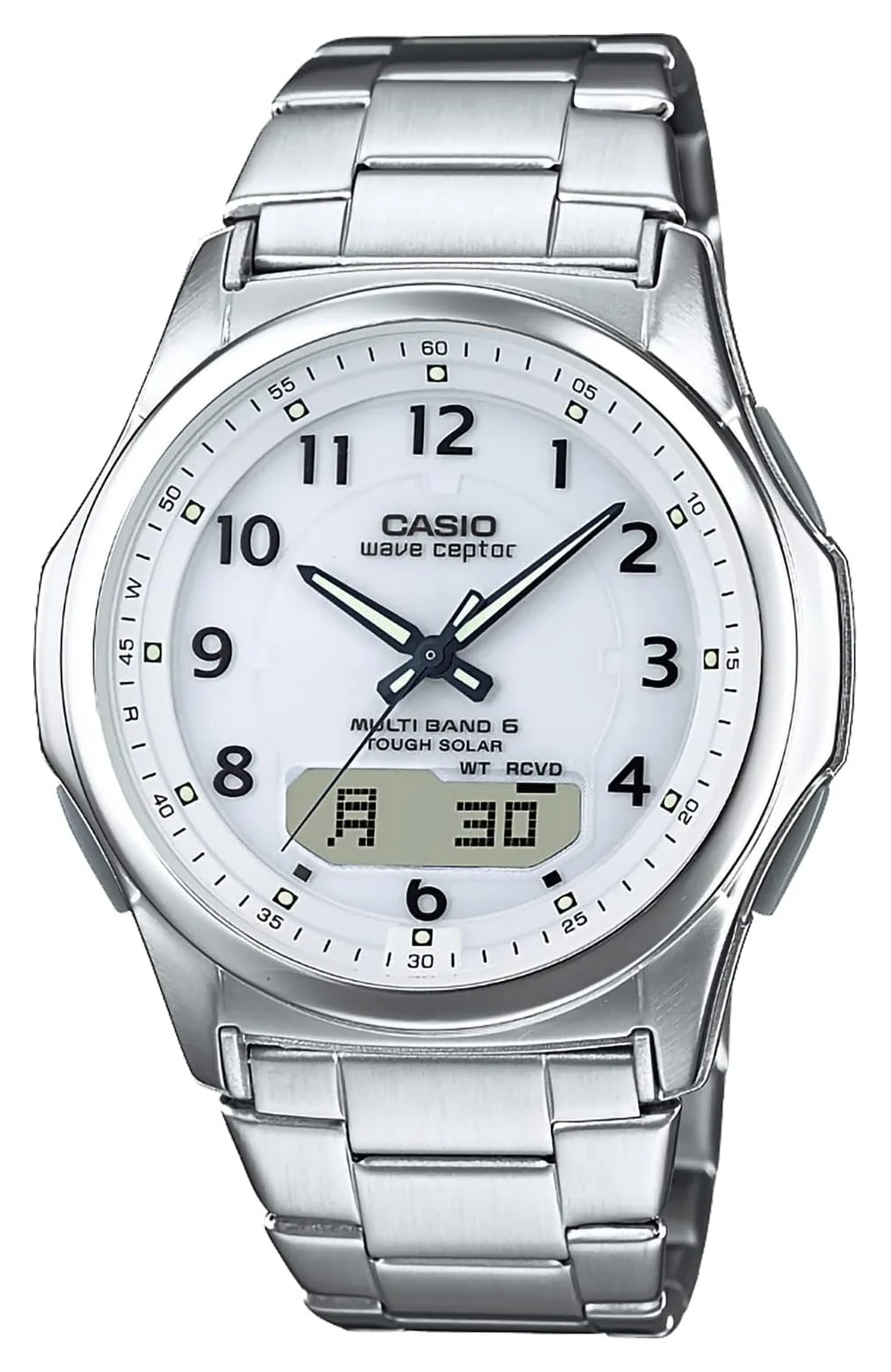 Casio Wave Ceptor WVA-M630D-7
$125
Casio Wave Ceptor WVA-M630D-7
$125
1. Casio G-Shock MT-G MTG-M900DA-8
2. Casio G-Shock GW-M5610U-1B
3. Citizen Promaster Skyhawk A-T
4. Casio Pro Trek PRW-3500
5. Citizen Eco-Drive PCAT
6. Casio G-Shock AWG-M100B-1A
7. Casio G-Shock GW-7900B-1
8. Casio G-Shock Rangeman GW-9400-1B
9. Casio Wave Ceptor WVA-M630D-7
Editor's Notes
October 14, 2026, by Ezvid Wiki Admin:
This list hadn't been updated since 2020, and several of its picks, including the Seiko Coutura, the Junghans Max Bill and the CoolFire, are no longer sold on Amazon. We also removed the Seiko Astron honorable mention, because it sets itself by GPS, not by radio.
We ranked the watches on how reliably they keep atomic time, how easy they are to read, durability and value, using makers' specifications, long-term owner feedback and watch-site reviews. Casio's Multi-Band 6 models lead because they receive all six of the world's time stations and run on solar power. Citizen's Eco-Drive A-T watches are the analog choice.
If you read about WWVB shutting down: that was a 2018 budget proposal that Congress rejected. NIST's records show the station still broadcasting in 2026, with only brief outages.
October 23, 2020:
While a lot of the models on our previous list have remained, we saw fit to update a few prominent selections to reflect their company's current lineups, like the Seiko Coutura SSG021, a black PVD-coated model that offers a nice chronograph function with a bright blue ring around its 60-minute subdial that makes it particularly legible. We also updated one of our more budget friendly models to the CoolFire Solar 1531, which features a more durable band and a classier dial design than its predecessor.
Casio's G-Shock models continue to be among the best offerings for atomic timekeeping, and we added a new one in the Casio G-Shock MT-G, a model that bolsters its resin construction with stainless steel for added durability and to bring it line with some of the most popular steel sports models on the market. And new to our special honors section you'll find a high-end Seiko chronograph with GPS-based radio reception that eliminates the need to change your home city for it to seek a relevant local signal.
June 28, 2019:
While our previous example of this ranking was almost completely dominated by Citizen and Casio models, we wanted to diversify a little more this time around, and fortunately for us, models by Seiko and Junghans came along to save the day. The former is a capable pilot's chronograph with defined style and a rugged build. The latter doesn't look quite as robust, but is firmly rooted in its origins as a classic German timepiece associated with the renowned Bauhaus Art School. Those pieces are so fine that they came in at numbers one and three respectively. Our previous number one option left due to availability concerns, and our older number three, the Citizen Navihawk AT, slotted back to number four. We still love that watch, but between its quartet of subdials, dual digital displays, and slide rule bezel, it seems a little too busy.
How Do Atomic Watches Work?
Other watches sync differently: GPS models like the Seiko Astron set themselves from satellites, and some newer G-Shocks sync from a phone over Bluetooth.
An atomic watch doesn't contain an atomic clock. It has a tiny radio receiver that picks up a time code broadcast by a national time station and sets the watch to it, usually once a night. In North America that station is WWVB, run by the National Institute of Standards and Technology in Fort Collins, Colorado, on 60 kilohertz. NIST estimates there are tens of millions of clocks and watches that set themselves by it.
Between updates, the watch keeps time with an ordinary quartz movement, which Casio rates at about 15 seconds a month. So even if it misses a few nights, it stays close. When it does sync, it shows the correct second, and it changes for daylight saving time on its own. If your watch is off by exactly an hour, check its time-zone or daylight-saving setting rather than the signal.
Casio's Multi-Band 6 watches receive six stations: WWVB, two in Japan, one each in Germany and the UK, and one in China. Citizen's Atomic Timekeeping covers the U.S., Germany, China and Japan. Other watches sync differently: GPS models like the Seiko Astron set themselves from satellites, and some newer G-Shocks sync from a phone over Bluetooth.
Getting A Good Signal
WWVB's signal travels farthest at night, which is why most watches try to sync around midnight or in the early morning. NIST's reception tips apply to watches too: leave the watch overnight near a window, ideally one facing Colorado, keep it a meter or two away from computers, monitors and other electronics, and remember that metal roofs and steel siding block the signal. Turning the watch can help, because its antenna is directional.
Reception is weakest on the East Coast, the farthest point from Fort Collins. NIST added a phase-modulated code in 2012 partly to help there, and older watches still work with the original signal. If a watch doesn't sync, most let you start a manual reception from a button so you can try a better spot.
The station itself has been reliable. A 2018 budget proposal would have closed it, but Congress kept the funding. Wind damaged one of its antennas in 2024, and it ran at reduced power for six months. NIST's outage log shows only brief outages in 2026.
Choosing The Right One
Digital models, mostly Casio's G-Shocks, are the toughest and least expensive, and their displays show the seconds and the date at a glance. Check the display before you buy: "reverse" or "negative" displays with light digits on a dark background look sharp but are harder to read in dim light. Analog models like Citizen's A-T watches look more traditional, and they automatically move their hands to the correct position after each sync.
Solar charging is worth having. Every pick here charges from any light and holds months of reserve, so a watch kept in a drawer may stop until it's put back in light, but you won't need a battery replacement for years.
Some of the best-known atomic watches, including many Wave Ceptor and Oceanus models, are made for the Japanese market and sold here by importers. They work in the U.S., because they receive WWVB, but Casio's warranty covers watches only in the country where they were bought. Counterfeit G-Shocks are also common, so buy from Casio, an authorized dealer or a listing sold by Amazon.