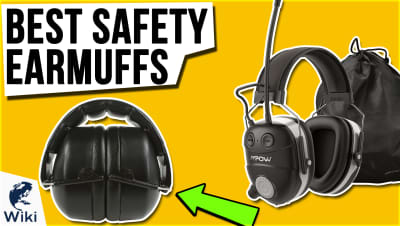
The 7 Best AM/FM Radio Headphones
Updated by

Our top AM/FM radio headphones are the Howard Leight Sync, which owners say gets the best reception over a mower. Seven radio earmuffs compared for work and yard. When users buy our independently chosen editorial picks, we may earn commissions to help fund the Wiki.
These are hearing protectors with an AM/FM radio built in, so you can listen to a ball game or the news while you mow, run a saw or work in a loud shop. They differ in how well they pick up stations, how much noise they block, whether they also stream from a phone over Bluetooth, and what powers them.
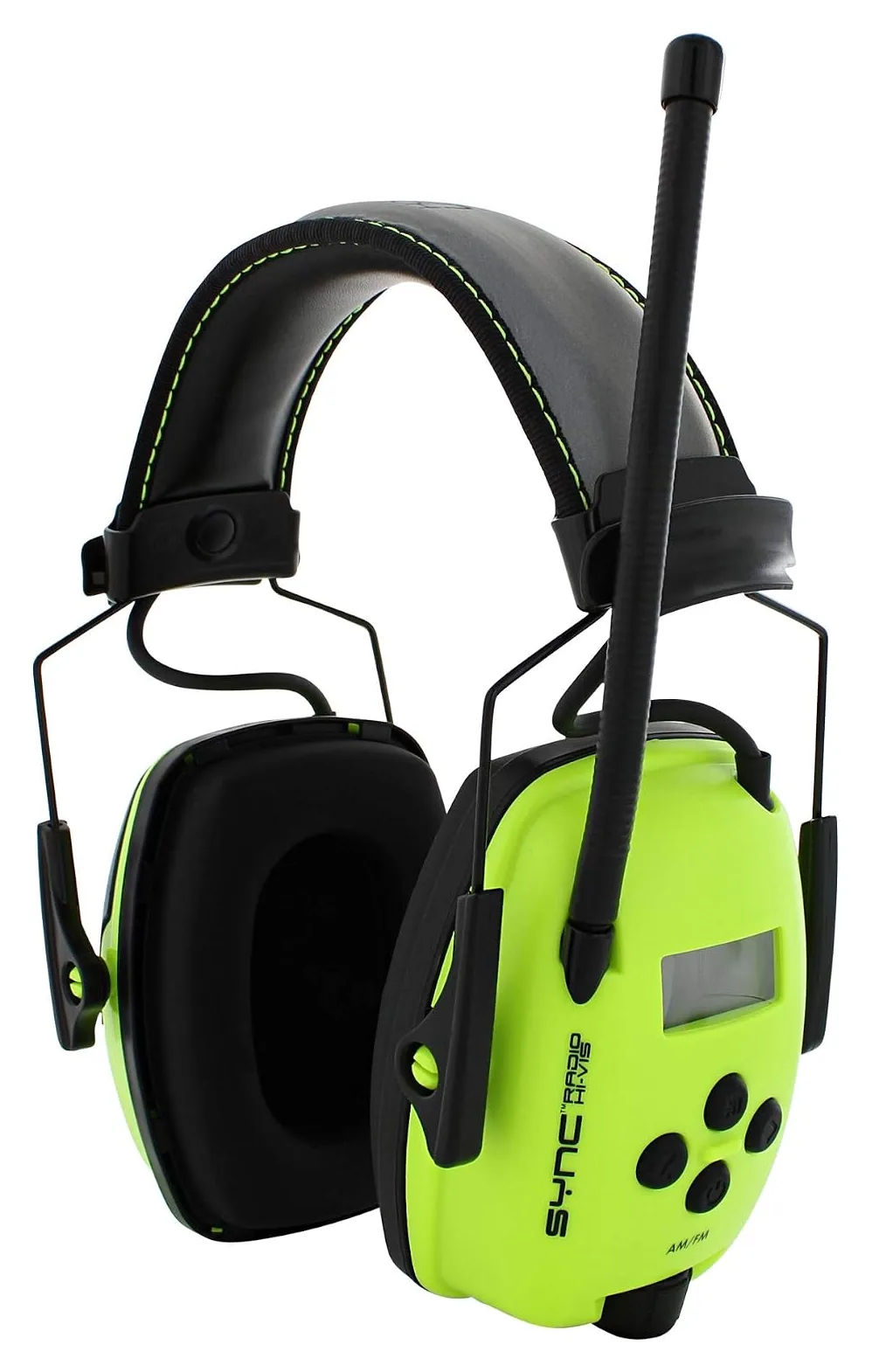
1. Howard Leight Sync Digital AM/FM
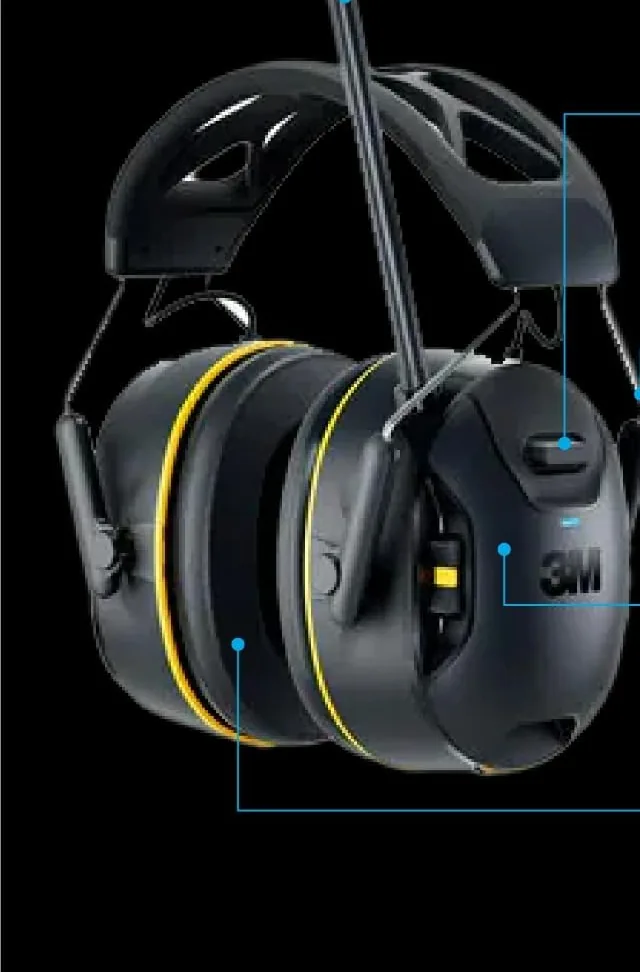
2. 3M WorkTunes Connect + AM/FM
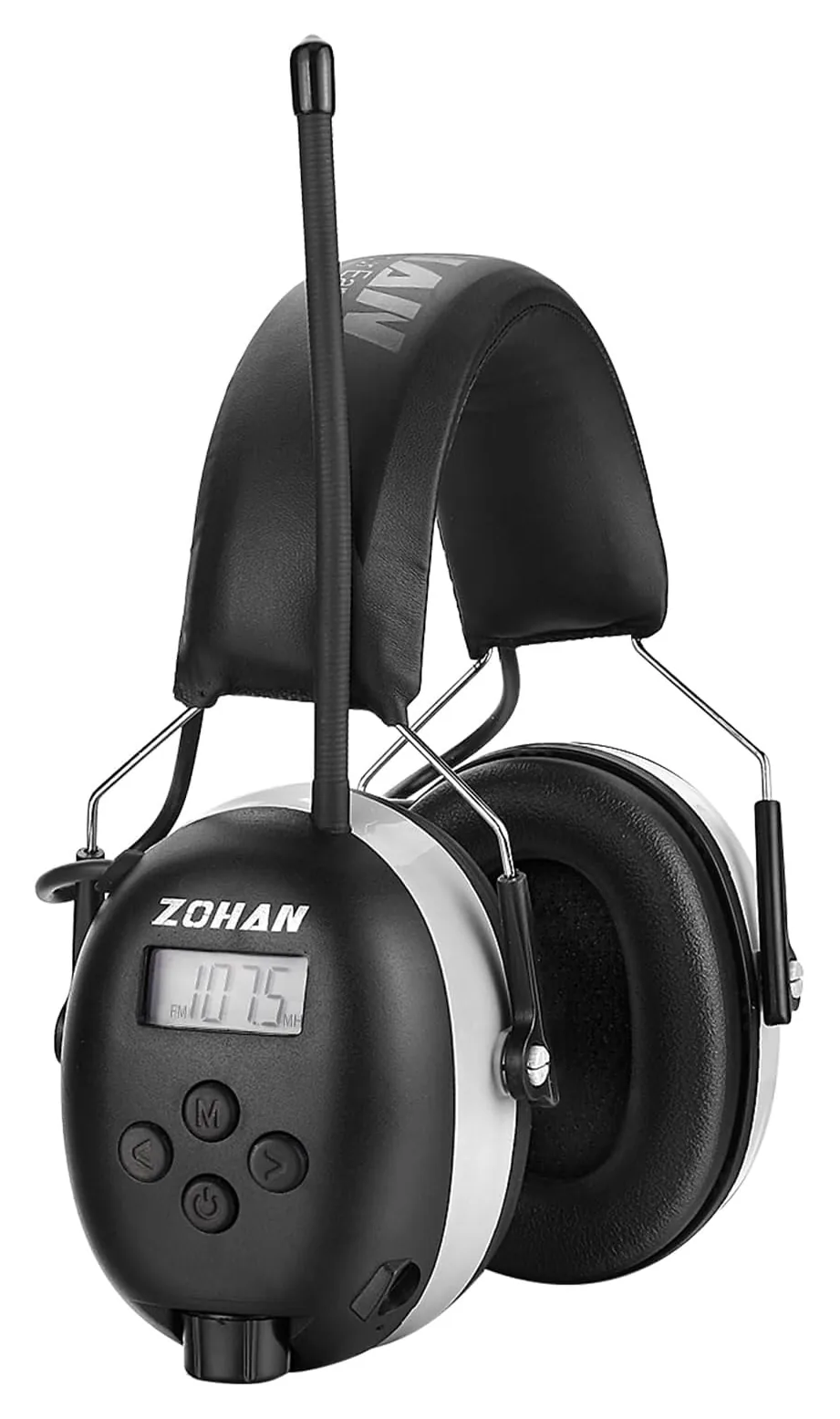
3. ZOHAN EM042
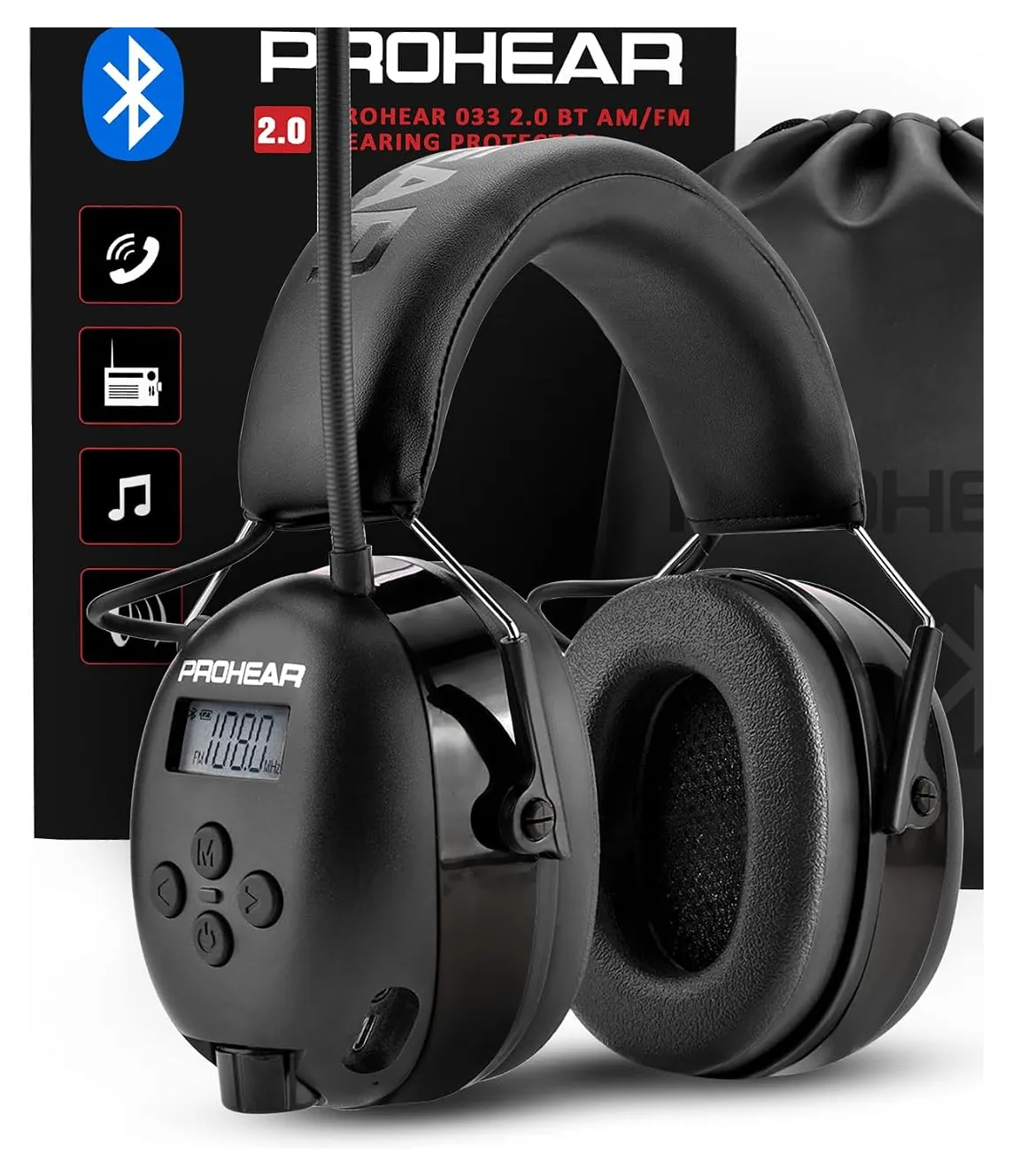
4. PROHEAR 033
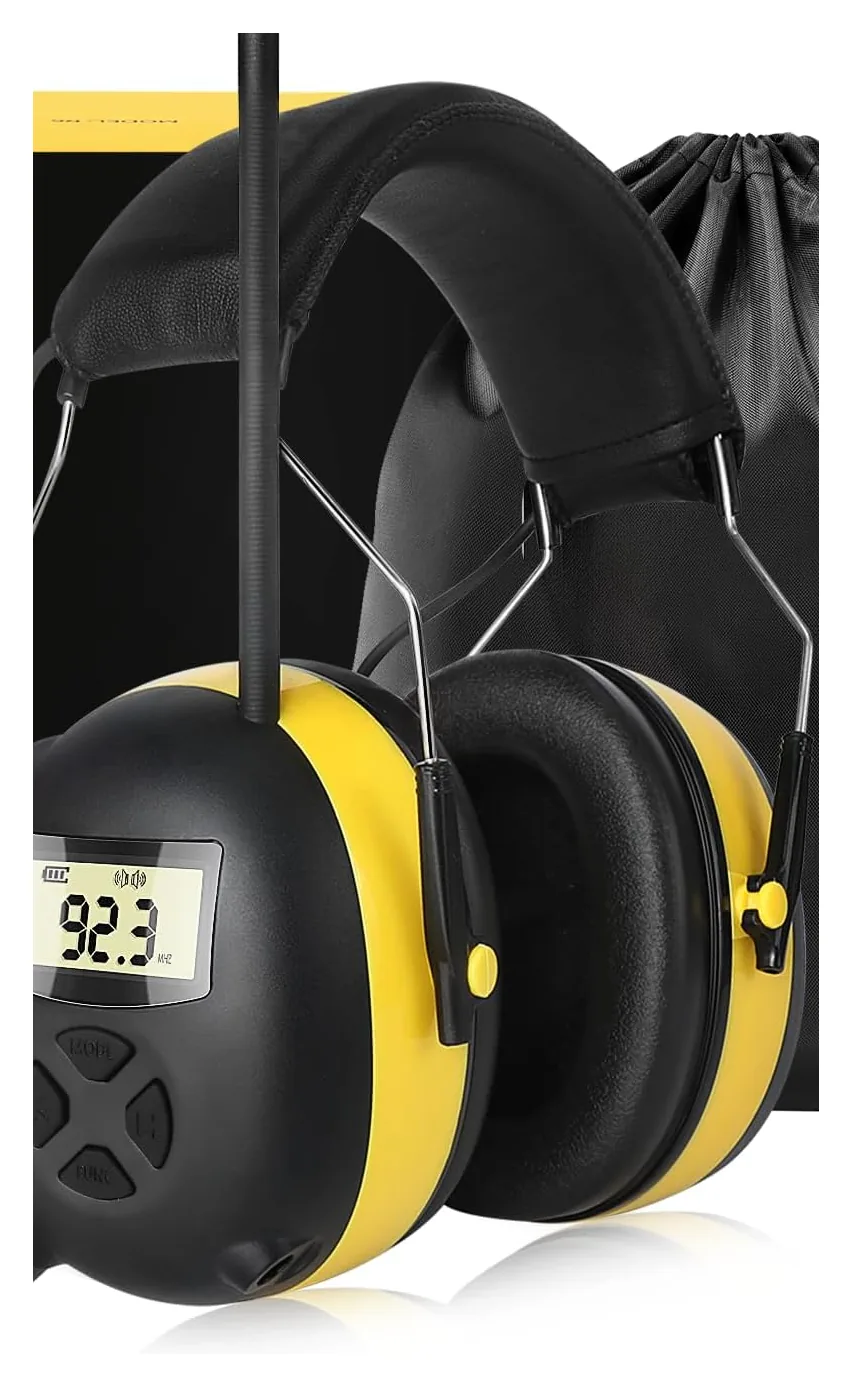
5. BJKing AM/FM Radio Headphones
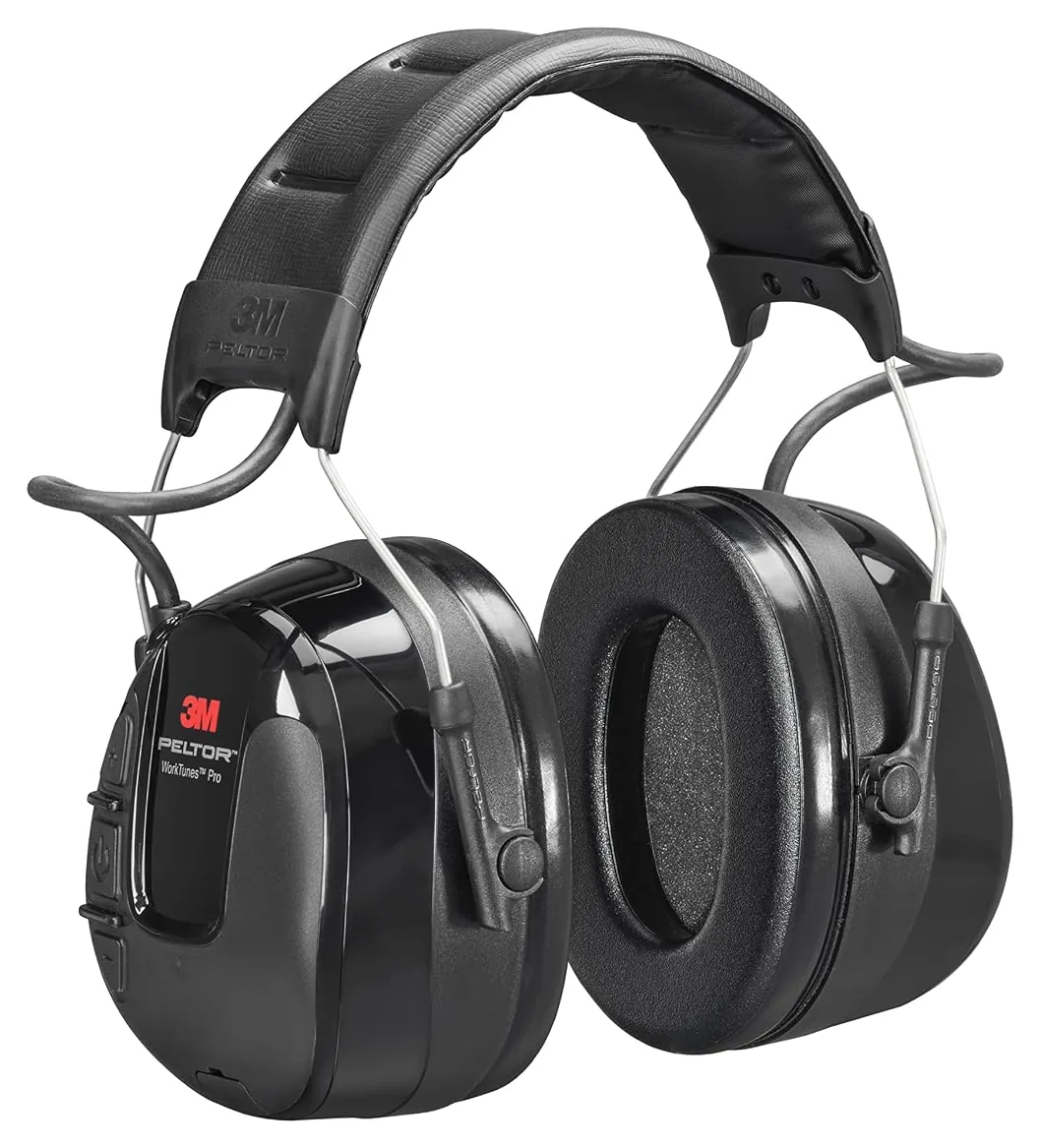
6. 3M Peltor WorkTunes Pro AM/FM
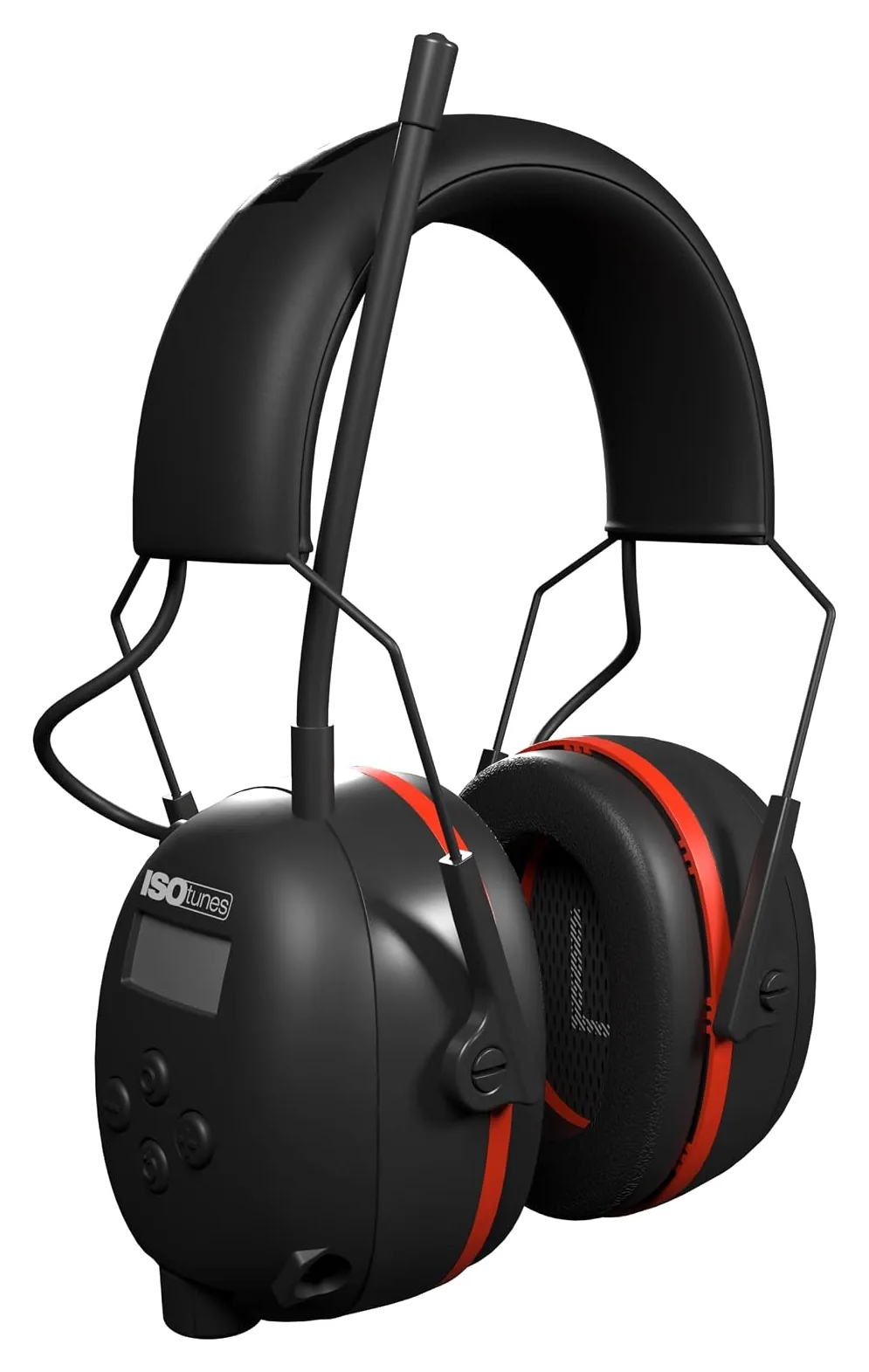
7. ISOtunes AIR DEFENDER AM/FM
Editor's Notes
October 14, 2026, by Ezvid Wiki Admin:
This list hadn't been updated since 2020. Several of its picks, including the Uomeod, Earmuff Defender, RGF and RadioShack headsets, have no current listings or maker information we could find. We also dropped the DeWalt DPG15, because many owners report units that stopped working.
Nearly everyone who finds this page wants a radio to listen to while mowing or working, so every pick is now a hearing protector with a noise reduction rating. We ranked them on radio reception, noise reduction, comfort, durability and value, using makers' specifications, an independent hands-on test of the 3M, a magazine review of the ISOtunes and long-term owner feedback.
The noise ratings on budget earmuffs are makers' claims. We found no independent lab measurement of any of them, so treat a few decibels of difference as a tie.
December 25, 2020:
This time around we decided it was best to remove the Stanley Sync and Protear Wireless due to availability concerns. In their place we've added two models, the Uomeod V5.0 and the RGF Personal Radio, which offer much sleeker designs. Casual listeners who don't necessarily need the hearing protection offered by most other options will probably prefer these selections, as they are much less bulky and industrial looking. The RGF Personal Radio is best if you're looking for the most minimal choice and only care about radio, but the Uomeod V5.0 is worth considering if you'd like to receive audio from Bluetooth devices or play MP3s without switching to another pair of headphones.
July 11, 2019:
Similar to safety earmuffs, many of the headphones on our list include built-in hearing protection, which is useful for mowing, hunting, working on construction sites, and other high-noise environments. The 3M Worktunes Wireless have a noise reduction rating of 24 decibels, and they automatically adjust the volume of your music to make sure it stays at a safe level. An integrated microphone allows you to make and answer phone calls, and they have an audio assist feature that guides you through the setup process. Both the Howard Leight by Honeywell and Stanley Sync use Air Flow Control technology to reduce noise by 25 decibels without being heavy or bulky, making them great for extended wear. If you work in an extra loud environment, consider the Earmuff Defender, which offer a noise reduction level of 31 decibels, plus wide ear cushions that reduce pressure and help them to stay comfortable for longer.
If you prefer headphones without noise cancellation, the RadioShack Stereo Headset is a simple and affordable option that can save up to 10 AM and 10 FM stations and allows you to adjust the volume on the right and left sides independently. It's powered by two AAA batteries and can run for up to 42 hours per set.
How Much Protection Do You Need?
Some sellers quote a European SNR instead, which runs several decibels higher than a U.S. NRR for the same muff.
Most lawn equipment is loud enough to damage hearing over time. Studies cited by NIOSH measured push mowers at 86 to 92 decibels, riding mowers at 88 to 96, leaf blowers at 95 to 106 and chainsaws at 105 to 109. NIOSH recommends keeping average exposure under 85 decibels.
The number on the box is the Noise Reduction Rating, measured in a lab under ideal conditions. Real-world protection is lower. NIOSH suggests taking 25 percent off an earmuff's rating, then subtracting 7 more to compare it with a sound-level reading. With a 95-decibel mower and an NRR-25 muff, that leaves about 83 decibels at your ear, under the limit. For a chainsaw or a leaf blower over 100 decibels, wear earplugs under the earmuffs. Some sellers quote a European SNR instead, which runs several decibels higher than a U.S. NRR for the same muff.
Glasses weaken the seal. A thin temple barely matters, but Howard Leight found a thick 6-millimeter temple cost 9 to 12 decibels of protection (Canadian Audiologist).
Why Is The Radio So Quiet?
Radio earmuffs deliberately limit their volume, because the sound of the speaker adds to the noise that gets through the cups. Howard Leight and 3M's Peltor line cap the radio at 82 decibels, ISOtunes at 85. 3M's newer WorkTunes adjusts its limit so a full day stays within safe exposure, which is why an independent tester found it quieter than the previous model. If you can't hear the radio over a machine, the fix is a better seal, not more volume: replace flattened cushions, which Howard Leight suggests doing every six to eight months.
AM reception is weaker than FM in most of these, and owners report stations fading as they turn their heads or move near a running engine. If you mostly listen to AM talk radio or ball games, the Howard Leight Sync has the best owner reports for reception.
Radio, Bluetooth Or Both?
A radio works without a phone, so there's nothing to pair, charge or drop in the grass. Bluetooth models stream podcasts and music from a phone and can take calls, though 3M's microphone struggles near very loud machines. Some earmuffs sold as Bluetooth hearing protection, including the 3M WorkTunes Connect without "+ AM/FM" in the name, the PROHEAR 037 and the Kalence, have no radio at all, so check the title before you buy.
Power is the other choice. AA models run for 40 to 60 hours on a pair of alkalines and can be swapped mid-job. Rechargeable models like the PROHEAR 033 save on batteries but stop when the cell runs down.
These are built to block sound, so don't wear them while running or walking near traffic, where you need to hear what's around you. For a light headset just for listening, look for AM/FM headphones without a noise rating, but don't count on them to protect your hearing.